


Houthis' blockade of Saudi Arabia threatens new front in Iran-US war
2 min read




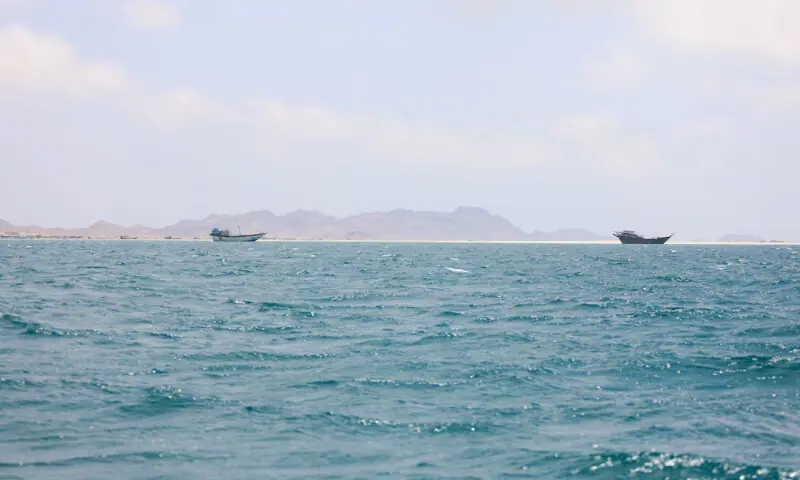
Yemen’s Iran-aligned Houthis said they would impose a naval blockade on Saudi Arabia, opening a potential new front against the United States in its war with Iran and raising the threat to global energy supplies and trade beyond the Gulf.
After the Houthis announced their blockade, the Saudi-led coalition in Yemen said in a statement that it would respond to them with force, and also that it began implementing protection measures for its ships moving through the Bab El Mandeb Strait, a key export route for Saudi oil after the effective closure of the Strait of Hormuz.
The insurance cost of shipping goods through the Red Sea rose due to increased risks for merchant shipping.
Iran had been pressing the Houthis to close the Bab El Mandeb gateway to the Red Sea if the US continued to attack Iranian power infrastructure.
A full closure of the strait would reduce global oil supply by 7% as it would leave most of Saudi oil exports unable to leave the region.
The disruption would add to the huge cut to oil flows from the war in the Gulf, which has already reduced shipments by 10% of global supply.
In their statement, the Houthis’ armed forces said they were declaring “a maritime embargo against the criminal Saudi enemy, based on the equation of ‘an eye for an eye’, effective immediately” in response to what they called “an unjust and oppressive siege” imposed on Yemen by the Saudis.
Shipments through Bab El Mandeb fall
Crude oil shipments through the Bab El Mandeb Strait have fallen sharply after the Houthi movement renewed threats to commercial shipping by imposing a maritime embargo on Saudi Arabia, according to data from Kpler.
The vessel-tracking firm said crude loadings declined by 36% over the past two weeks.
Weekly exports from Saudi Arabia’s Red Sea terminals to Asian markets dropped to 6.1 million barrels per day (bpd) in the week ending July 13, down from 9.5 million bpd recorded on June 29.
Loadings from Saudi Arabia’s west coast ports decreased to 2.79 million bpd from 4.23 million bpd during the same period, while shipments destined for Asia fell to 3.32 million bpd from 5.30 million bpd.
Homayoun Falakshahi, head of Kpler’s crude analysis team, said traffic through the Bab El Mandeb had weakened significantly, with crude flows from the Middle East and Asia toward the Red Sea now standing at just over 1.2 million bpd.
For the latest news, follow us on Twitter @Aaj_Urdu. We are also on Facebook, Instagram and YouTube.

















Comments are closed on this story.