


Power plants, bridges become new front in US-Iran conflict
3 min read



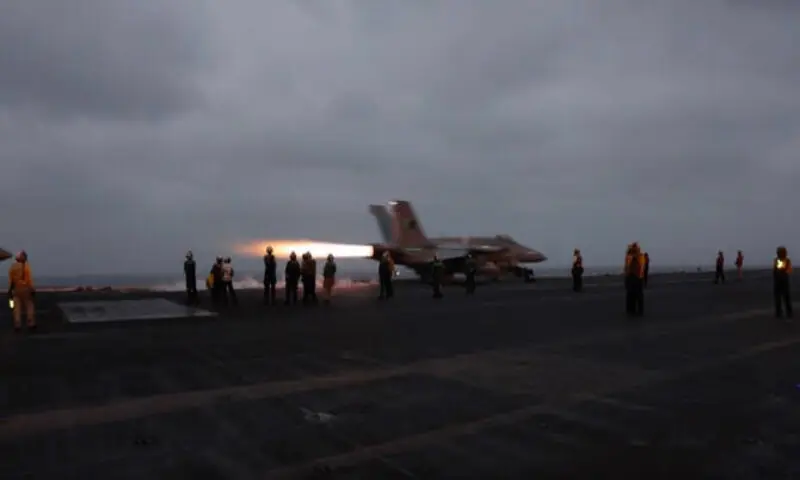
The United States and Iran sharply escalated their confrontation on Friday, expanding attacks to critical infrastructure across the Gulf as fresh US air strikes on Iran prompted retaliatory missile attacks targeting military facilities and power infrastructure in several countries.
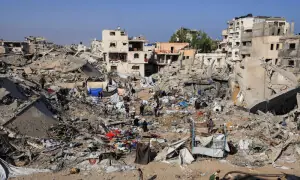
The latest exchange saw a power and desalination plant in Kuwait and at least five bridges in southern Iran struck, underscoring the widening scope of a conflict that has increasingly spilled beyond military targets.
The US renewed its bombing campaign against Iran, targeting dozens of sites that Washington described as “military logistics infrastructure”.
US Central Command (CENTCOM) said the strikes were aimed at further degrading Iran’s military capabilities and confirmed that American forces had also boarded a vessel while enforcing a blockade of Iranian ports near the Strait of Hormuz.
Iranian state media reported that at least five bridges were hit in the country’s south, including in the port city of Bandar Khamir, where seven people were killed, and a railway station was damaged.
An airport in Iranshahr, near the Pakistan border, was also reportedly struck.
Tehran responded by launching missiles at targets in Jordan, Kuwait, Bahrain, Qatar, Oman and Syria.
Iran’s Islamic Revolutionary Guard Corps (IRGC) said it had targeted a military base in Kuwait, radar installations in Oman and the former US base at Al Tanf in Syria.
The United States denied the attack on Al Tanf.
Kuwaiti authorities confirmed that a desalination and electricity plant was hit during the strikes, causing a fire and extensive damage to multiple power generation units.
The Ministry of Electricity, Water and Renewable Energy said emergency teams had extinguished the blaze and were assessing the damage before restoring operations.
The attack marks the first time Iran has targeted Kuwait’s power infrastructure during the latest phase of the conflict, although similar facilities were struck earlier in the year during the March-April fighting.
The renewed hostilities have effectively derailed the preliminary agreement signed by Washington and Tehran in June to end months of conflict that began in late February.
Kuwait has been hit hard by Iranian drone and missile strikes, with critical infrastructure suffering extensive damage in recent days.
In June, a missile struck the country’s civilian airport, killing one person and injuring more than 60 others.
Earlier this week, four Kuwaiti naval personnel were wounded after Iran launched cruise missiles, a ballistic missile and dozens of drones at the Gulf state.
Elsewhere, nine members of the Iranian Kurdish opposition group Komala were killed in Iraq’s Sulaymaniyah province after what the group said was an Iranian missile strike on its headquarters in Zirgwez.
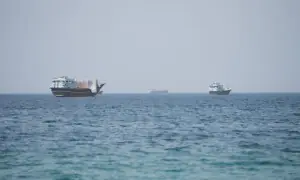
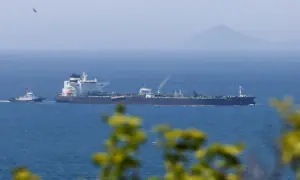
At sea, the US military said it boarded a tanker as part of its enforcement of the blockade on Iranian ports, releasing images of marines descending from a helicopter onto the vessel.
In a separate maritime incident, armed men seized a small chemical tanker in the Gulf of Aden off Yemen.
A maritime security source told Reuters the hijacking appeared to be an act of Somali piracy rather than an attack linked to Yemen’s Iran-backed Houthi movement.
Meanwhile, diplomatic efforts to halt the conflict continued. Chinese Foreign Minister Wang Yi and Pakistan’s Deputy Prime Minister and Foreign Minister Ishaq Dar called for an immediate ceasefire and a return to dialogue during talks in Shanghai, according to China’s Foreign Ministry.
Beijing said Wang urged all parties to honour their commitments under the ceasefire memorandum of understanding and resume diplomatic engagement to prevent further escalation.
For the latest news, follow us on Twitter @Aaj_Urdu. We are also on Facebook, Instagram and YouTube.








Comments are closed on this story.