


Will budget 2026-27 prove a turning point for economy
7 min read



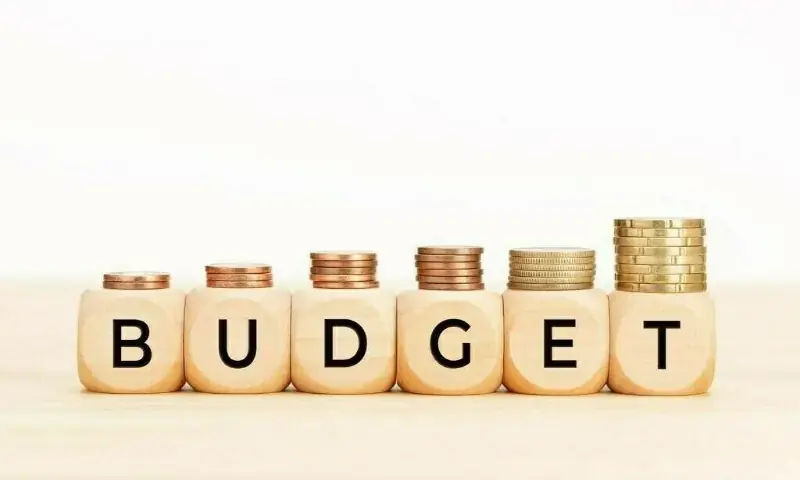
After a series of delays, the Federal Budget 2026-27 is now expected to be presented in the National Assembly on Friday, June 12, 2026. The budget was originally scheduled for June 5 but was postponed due to the ongoing consultations on fiscal measures, discussions with the coalition partners and the finalisation of economic proposals.
The delay has increased public interest across the country, especially among salaried individuals, pensioners, businesses and low-income households who are expecting significant relief.
For ordinary citizens, the federal budget is a document that directly affects daily life. It determines how much tax people will pay, what subsidies they may receive, and how much will be spent on basic services such as health, education, transport and development. Every year, the public waits for the budget because its decisions influence household expenses, food prices, electricity bills, job opportunities and the overall economic stability. This year, expectations are particularly high as families continue to deal with the financial pressure, despite some signs of economic recovery.
According to the National Economic Council (NEC) approved macroeconomic framework for the Federal Budget 2026-27, the government has set a total budget outlay of around Rs17.1 trillion. This reflects the overall size of federal spending, including debt servicing, defence, development programmes and administrative costs. Within this broader framework, development planning has also been structured to support medium-term growth and stability.
The NEC has also approved a GDP growth target of 4% for the upcoming fiscal year. This indicates a cautious but positive expectation of economic recovery. The target suggests that the government is aiming for gradual expansion in industrial output, agriculture performance and services sector growth. However, achieving this target will depend on the global economic conditions, domestic stability and the success of policy measures introduced in the budget.
Inflation remains a key concern for the policymakers and citizens alike. The NEC framework sets an inflation target of around 8.2%, reflecting an attempt to keep price increases within a manageable single-digit range. While this represents an improvement, compared with the high inflation levels seen in previous years, it still means that the prices of essential goods and services are expected to rise, albeit at a slower pace. For ordinary households, even moderate inflation continues to put pressure on monthly budgets.
The fiscal position remains tight. The approved framework indicates a fiscal deficit target of around 5% to 5.5% of GDP. This means that the government is still expected to spend more than its total revenue, relying on borrowing and other financing sources to bridge the gap. While this level of deficit is seen as relatively controlled under the current conditions, it still reflects the challenges of balancing development needs with fiscal discipline.
For salaried individuals, the most important question is whether this budget will bring real financial relief. Over the past few years, inflation has significantly reduced the purchasing power, making it increasingly difficult for the middle-income families to manage expenses. Many salaried people are expecting revisions in income tax slabs, an increase in the minimum taxable income threshold, or reductions in tax rates for the middle-income groups. If such measures are introduced, they could allow households to retain more of their income, improving consumption and overall economic activity.
Government employees and pensioners are also closely watching the budget. Fixed incomes have been heavily affected by rising prices of food, transport and utilities. There is widespread expectation that the salaries and pensions may be adjusted to reflect inflation trends. Even a moderate increase would provide relief to millions of families struggling to meet basic needs such as healthcare, education and daily household expenses. However, the government must carefully balance such adjustments with its limited fiscal space.
The low-income households remain the most vulnerable segment of society. For many families, basic items such as flour, cooking oil, electricity and rent consume the majority of their income. In this context, expectations are high for expanded social protection programmes.
Strengthening cash transfer schemes, food subsidies and targeted welfare initiatives could help reduce poverty and provide support to those most affected by the economic hardships. These programmes are particularly important in rural areas and densely populated urban settlements where unemployment and informal work are widespread.
Investors and entrepreneurs have long argued that Pakistan needs a more stable and predictable tax environment to encourage growth. Businesses are hoping for reduced tax burdens, simplified regulations and stronger incentives for investment.
If the government introduces supportive measures for industry, exports and small and medium enterprises, it could lead to job creation and increased economic activity. This would not only benefit investors but also improve employment opportunities for the young people entering the workforce.
Another important area of focus is public sector development and service delivery. Citizens continue to express concerns about the quality of healthcare facilities, overcrowded schools and inadequate infrastructure. Increased allocations for education, health and development projects could help address these longstanding issues. Better schools would improve literacy and skills development, while improved healthcare systems would ensure wider access to medical services. Investments in roads, water supply systems and urban infrastructure would also improve daily life and support economic growth.
Agriculture remains the backbone of Pakistan’s economy, employing a large portion of the workforce. Farmers are currently facing rising input costs, climate-related challenges and unstable market prices. The budget is expected to include measures such as fertiliser subsidies, improved irrigation systems and better access to agricultural credit. Strengthening the agriculture sector would not only increase rural incomes but also help stabilise food prices across the country, benefiting consumers in both urban and rural areas.
The information technology sector is another area with strong growth potential. Pakistan’s IT industry has expanded rapidly in recent years, driven by freelancers, software developers and export-oriented companies. There is growing expectation that the budget will introduce incentives for IT startups, digital infrastructure and technology exports. Supporting this sector could generate high-skilled employment, increase foreign exchange earnings and reduce reliance on traditional industries.
There are also concerns about possible challenges in the budget. The government is under pressure to meet revenue targets, while also managing heavy debt repayments. This may lead to the introduction of new taxes or the expansion of existing ones. While direct taxes generally affect higher-income groups, indirect taxes can impact all the consumers by increasing the prices of goods and services. This remains a major concern for households already struggling with the rising living costs.
Energy prices are another sensitive issue. Electricity, gas and fuel costs continue to be a major burden for both households and businesses. There is a possibility that subsidies may be reduced further to improve fiscal stability and meet financial targets. While such measures may strengthen the economy in the long-term, they can increase short-term financial pressure on citizens. Higher energy costs also affect transportation and production, which can lead to increased prices of everyday goods.
Many citizens are hoping for significant relief through tax cuts, salary increases and expanded welfare programmes. However, given the fiscal deficit target of 5% to 5.5% of GDP and the overall budget constraints, the government may not be able to meet all the expectations.
If the final measures fall short of public hopes, disappointment may follow, even if some improvements are delivered.
Inflation, although lower than previous peaks, remains a key concern. The target of 8.2% indicates moderation, but prices are still expected to rise. If government spending increases without careful control, there is always a risk of renewed inflationary pressure. For ordinary citizens, price stability is often more important than headline economic figures. Even small increases in food or utility costs can significantly affect the household budgets.
Small and medium enterprises also face serious challenges. These businesses are important for employment generation and economic activity but often struggle with taxation, compliance costs and access to finance. Without targeted support, many SMEs may find it difficult to expand or even sustain operations. Supporting this sector is necessary for inclusive growth and long-term economic stability.
The government, therefore, faces a difficult balancing act. On the one hand, it must provide relief to the citizens who have endured years of financial hardships, and on the other, it must maintain fiscal discipline goals.
The success of the Federal Budget 2026-27 will depend not only on its numerical targets but on its real impact on ordinary citizens. If it succeeds in reducing financial pressure, improving public services and supporting job creation, it will be seen as a positive step forward. However, if rising costs continue to outweigh the benefits of policy measures, public frustration may persist.
The writer is a seasoned journalist and a communications professional.
For the latest news, follow us on Twitter @Aaj_Urdu. We are also on Facebook, Instagram and YouTube.

















Comments are closed on this story.