


US orders global warning about alleged AI thefts by DeepSeek, other Chinese firms
3 min read

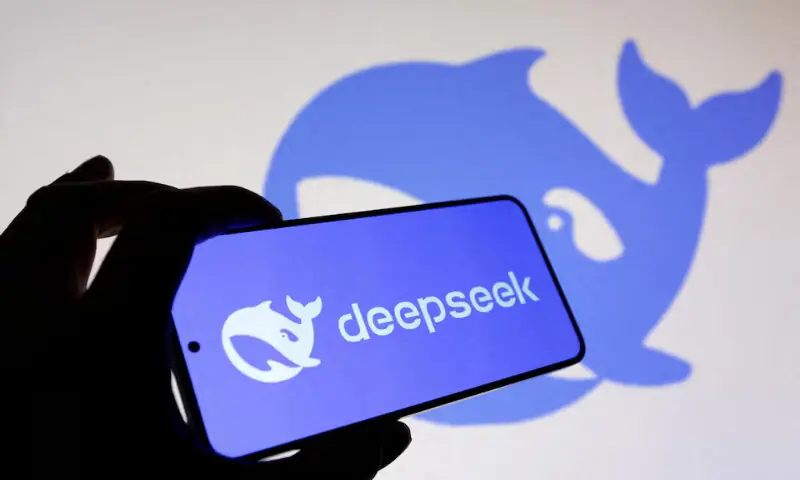
The US State Department has ordered a global push to bring attention to what it says are widespread efforts by Chinese companies, including AI startup DeepSeek, to steal intellectual property from US artificial intelligence labs, according to a diplomatic cable seen by Reuters.
The cable, dated Friday and sent to diplomatic and consular posts around the world, instructs diplomatic staff to speak to their foreign counterparts about “concerns over adversaries’ extraction and distillation of US AI models.”
“A separate demarche request and message has been sent to Beijing for raising with China,” the document states.
Distillation is the process of training smaller AI models using output from larger, more expensive ones as part of an effort to lower the costs of training a powerful new AI tool.
This week, the White House made similar accusations, but the cable has not been previously reported.
The State Department did not immediately respond to a request for comment.
OpenAI has warned US lawmakers that DeepSeek was targeting the ChatGPT maker and the nation’s leading AI companies to replicate models and use them for its own training, Reuters reported in February.
China rejects accusations
The Chinese Embassy in Washington on Friday reiterated its stance that the accusations are baseless.
“The allegations that Chinese entities are stealing American AI intellectual property are groundless and are deliberate attacks on China’s development and progress in the AI industry,” it said in a statement to Reuters.
DeepSeek, whose low-cost AI model stunned the world last year, on Friday launched a preview of a highly anticipated new model, called the V4, adapted for Huawei chip technology, underlining China’s growing autonomy in the sector.
DeepSeek also did not immediately respond to a request for comment.
In the past, it has said that its V3 model used data naturally occurring and collected through web crawling and it had not intentionally used synthetic data generated by OpenAI.
Many Western and some Asian governments have banned their institutions and officials from using DeepSeek, citing data privacy concerns.
Nevertheless, DeepSeek’s models have consistently been among the most used on international platforms that host open-source models.
The State Department cable said its purpose was to “warn of the risks of utilising AI models distilled from US proprietary AI models, and lay the groundwork for potential follow-up and outreach by the US government.”
It also mentioned Chinese AI firms Moonshot AI and MiniMax.
Neither company immediately responded to a request for comment.
The cable said that “AI models developed from surreptitious, unauthorised distillation campaigns enable foreign actors to release products that appear to perform comparably on select benchmarks at a fraction of the cost but do not replicate the full performance of the original system.”
It added that the campaigns also “deliberately strip security protocols from the resulting models and undo mechanisms that ensure those AI models are ideologically neutral and truth-seeking.”
The White House accusations and the cable come just weeks before US President Donald Trump is set to visit Chinese President Xi Jinping in Beijing.
They could well raise tensions in a long-running tech war between the rival superpowers, which had been lowered by a detente brokered last October.
For the latest news, follow us on Twitter @Aaj_Urdu. We are also on Facebook, Instagram and YouTube.







Comments are closed on this story.