


Turkey pushes Europe-Gulf rail link via Syria and Jordan
2 min read



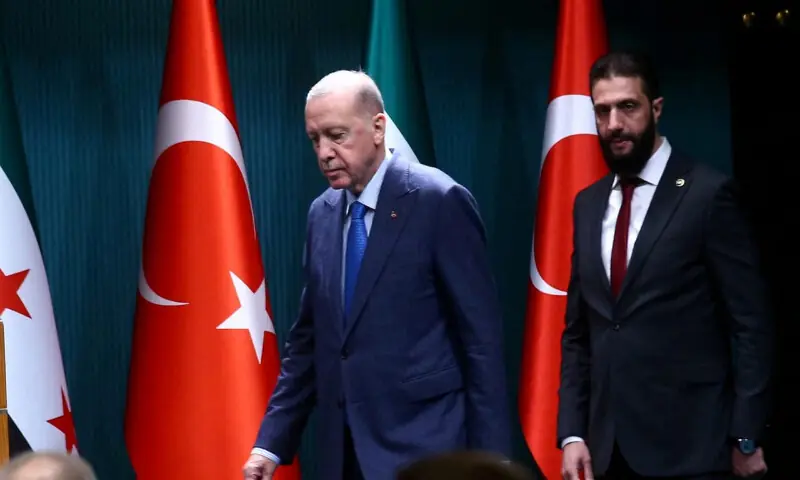
Turkey, Syria and Jordan are moving ahead with plans for a joint rail corridor linking Europe to the Gulf, part of Ankara’s broader effort to reshape regional trade routes amid ongoing disruptions to traditional land and sea pathways, according to a report by the Financial Times and regional officials.
The proposed route would connect Europe to Turkey and run through Syrian territory before extending southward into Jordan, creating a continuous overland link between Mediterranean ports and Gulf markets.
The initiative builds on a trilateral memorandum of understanding signed earlier this month to rehabilitate and reconnect railway infrastructure across the three countries.
The project is part of Turkey’s broader effort to turn itself into a major transit hub at a time when traditional trade routes through Russia, Iran and key sea lanes are becoming more uncertain.
As noted by the Financial Times, Ankara has been actively presenting itself as a dependable route for trade and energy flows, hoping to draw more global commerce through its territory.
Syria is central to the plan, effectively acting as the land bridge between Turkey and Jordan.
Jordan, in turn, would provide access to the Arabian Peninsula amid plans to connect the route to regional rail networks, including the rail system in Saudi Arabia.
The idea draws inspiration from the historic Hejaz Railway, which once connected the Levant to the Arabian Peninsula before it fell into disuse.
The new plan seeks to modernise that route into a high-capacity corridor for both freight and passengers.
Supporters say the corridor could shorten transit times and provide an alternative to congested shipping routes such as the Suez Canal, while also boosting regional economic integration.
However, there are significant hurdles to overcome, the report said and pointed out that much of the infrastructure — especially in Syria — has been damaged, and the route would also have to navigate ongoing political and security uncertainties.
While cooperation between Ankara, Damascus and Amman is improving, analysts caution that turning the plan into a functioning trade corridor will require steady investment, greater stability and sustained political alignment over time.
For the latest news, follow us on Twitter @Aaj_Urdu. We are also on Facebook, Instagram and YouTube.









Comments are closed on this story.