


Pakistan sees alarming surge in HIV/AIDS cases, experts raise concern
2 min read



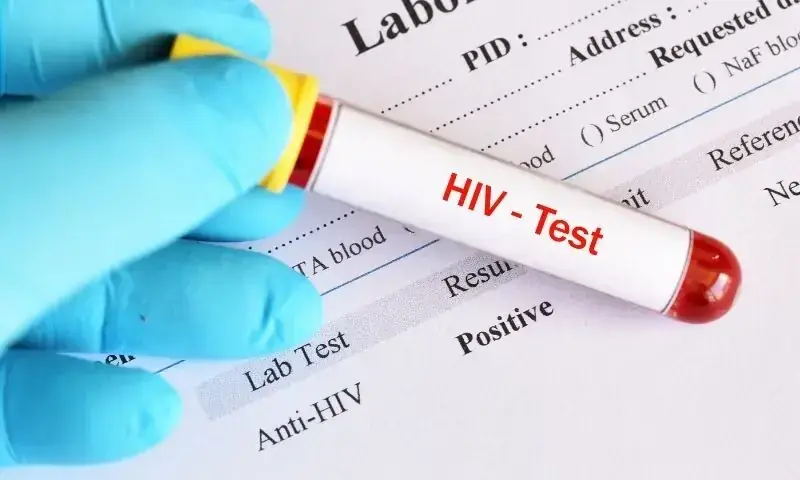
Pakistan is witnessing a sharp rise in HIV/AIDS cases, with health experts expressing serious concern over the growing number of infections across the country.
According to available data, a total of 108,400 HIV/AIDS cases have been reported nationwide. Punjab ranks first with the highest number of cases, followed by Khyber Pakhtunkhwa and Sindh.
In Punjab, more than 45,000 individuals are living with the virus. Lahore tops the list with over 10,000 reported cases, followed by Faisalabad with around 5,000 and Multan with more than 3,000. Sargodha and Gujrat each have over 2,800 cases, while Nankana Sahib has reported more than 2,000 cases.
Khyber Pakhtunkhwa has recorded 39,702 cases, including 1,276 reported this year alone. Peshawar accounts for 1,877 cases, while Bannu has reported 988. Cases have also been detected in districts including Mardan, Charsadda, Swabi and Nowshera.
Sindh ranks third, with 15,639 HIV-positive individuals. During the first three months of the current year, 894 new cases were reported in the province, including 332 men, 204 women, 29 transgender persons and 329 children. Karachi, as the country’s largest urban centre, continues to report a significant number of cases.
In Balochistan, a total of 3,303 cases have been recorded, including 707 women and 90 transgender individuals. Quetta has the highest number with 2,614 cases, followed by Turbat (368), Hub (159), Nasirabad (66) and Loralai (96).
The federal capital Islamabad has reported 4,756 cases, including 3,432 men, 805 women, 422 transgender persons, 67 boys and 30 girls.
Health experts warn that the actual number of infections could exceed 350,000, as many individuals remain unaware of their condition due to the absence of early symptoms.
They attribute the rise in cases primarily to the reuse of contaminated syringes, unsafe blood transfusion practices, lack of basic healthcare facilities, and the use of unsterilised instruments for procedures such as ear and nose piercing.
Experts have called for urgent awareness campaigns, improved screening and stricter health regulations to curb the spread of the disease, which they describe as a “silent and dangerous threat.”
For the latest news, follow us on Twitter @Aaj_Urdu. We are also on Facebook, Instagram and YouTube.
















Comments are closed on this story.