


Metabolic liver disease to affect 1.8bn by 2050, study finds
2 min read



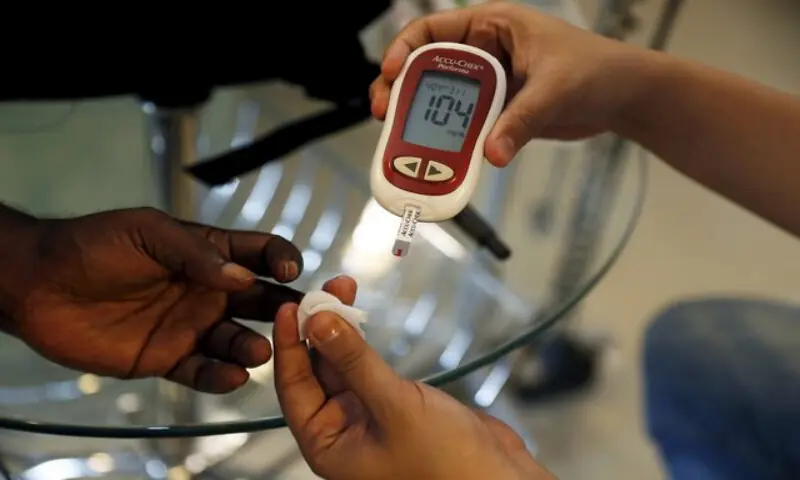
Metabolic liver disease is projected to affect up to 1.8 billion people worldwide by 2050, driven largely by rising obesity and blood sugar levels, according to a new study.
The condition, known as Metabolic dysfunction-associated steatotic liver disease (MASLD), previously called non-alcoholic fatty liver disease, is among the fastest-growing liver disorders globally, the Guardian said in a report.
An estimated 1.3 billion people are currently living with MASLD — a 143% increase over the past three decades — meaning roughly one in six people are affected.
The findings come from the Global Burden of Diseases study and were published in The Lancet Gastroenterology & Hepatology.
Researchers found that cases have surged from about 500 million in 1990 to 1.3 billion in 2023, with numbers expected to rise by a further 42% by 2050.
The global prevalence rate has also climbed significantly, reflecting both population growth and lifestyle changes.
The disease was found to be more common in men, with the highest rates seen among older adults aged 80 to 84.
However, the largest number of cases occurred among younger age groups, particularly men aged 35 to 39 and women aged 55 to 59.
High blood sugar emerged as the leading driver of MASLD-related health complications, followed by high body mass index and smoking, underscoring strong links to conditions such as Type 2 diabetes and obesity.
Regionally, North Africa and the Middle East recorded some of the highest prevalence rates, although increases have been observed worldwide.
In the UK, prevalence rose by 33% between 1990 and 2023, while Australia and the United States saw increases of 30% and 22%, respectively.
Despite the growing number of cases, the overall disease burden — measured in years of life lost due to illness or death — has remained relatively stable.
Researchers say this suggests improvements in treatment and care are helping people live longer and healthier lives, with many cases identified in earlier stages.
However, experts warn that the surge in cases could lead to a higher risk of serious complications, including liver cirrhosis and cancer, in the coming years.
MASLD is often associated with excess weight and is typically managed through lifestyle changes.
The condition frequently develops without noticeable symptoms and is often detected incidentally during medical tests.
When symptoms do occur, they may include fatigue, general discomfort, and pain in the upper right abdomen.
The study was led by the Institute for Health Metrics and Evaluation, whose authors said the findings highlight a growing impact on younger adults due to worsening health patterns.
They stressed the need to treat MASLD as a major global health priority, calling for stronger policies, awareness efforts and preventive measures to curb its rise and reduce future complications.
For the latest news, follow us on Twitter @Aaj_Urdu. We are also on Facebook, Instagram and YouTube.


















Comments are closed on this story.