


US-Iran ceasefire: What we know
3 min read



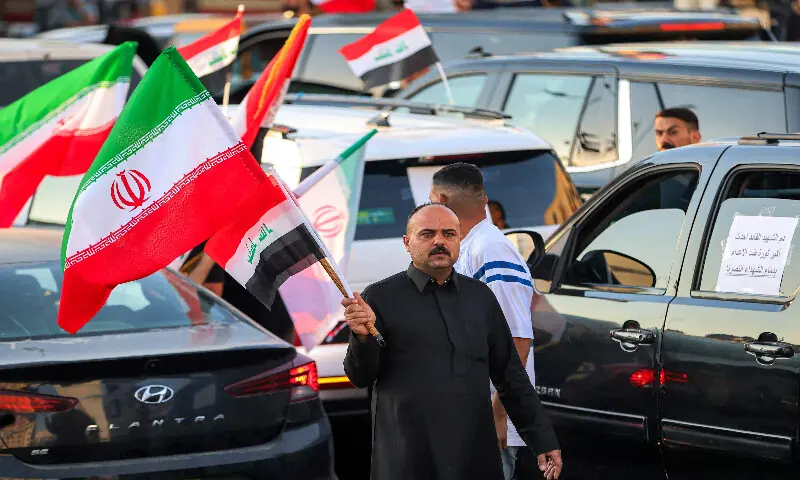
Here is what we know following Tuesday evening’s dramatic reversal by US President Donald Trump of his threats to attack Iran’s civilian infrastructure.
IS THERE ACTUALLY A CEASEFIRE?
It’s unclear.
Iran and the US agreed on Tuesday to a two-week ceasefire brokered by Pakistan, but fighting was still taking place on Wednesday.
Israel launched its biggest attacks yet on Lebanon, targeting the Iran-backed Hezbollah militia, destroying buildings and killing dozens of people without warning, according to Lebanese authorities.
Iran said it was considering strikes against Israel in response.
Iran also struck oil facilities in neighbouring Gulf countries, including a huge pipeline in Saudi Arabia that has been used to bypass the blockaded Strait of Hormuz, according to an oil industry source. Kuwait, Bahrain and the UAE also reported missile and drone strikes.
The US said it had stopped its attacks on Iran, but is ready to resume fighting if efforts to reach a more lasting peace fail.
IS THE STRAIT OF HORMUZ OPEN?
Not yet.
Iranian state TV said a first vessel had transited the global oil chokepoint with Tehran’s permission following the ceasefire, but shipping sources said that the Iranian navy was threatening ships with destruction if they tried to pass.
Iran might lift its blockade on Thursday or Friday ahead of peace talks, according to a senior Iranian official, but ships would still require Tehran’s permission to pass.
Trump said the two-week ceasefire requires Iran to open the strait, but Iran’s Supreme National Security Council said Washington had agreed in principle to continued Iranian control.
Marine traffic data showed that two Greek-owned vessels and a Chinese bulk carrier had passed through the strait since early Wednesday. Iran has previously made safe-passage agreements with several countries, including India and Iraq. German shipper Hapag-Lloyd said it could take at least six weeks for traffic to return to prewar levels.
ARE OIL PRICES FALLING?
Yes.
Oil prices tumbled below $100 per barrel following the ceasefire announcement, as traders anticipated that the 20 per cent of world supply that has been throttled by the conflict could become available again.
That’s a dramatic drop from prices that have reached as high as $118 per barrel at the end of March, but still well above prewar levels.
Brent crude, the international benchmark, was trading at $94 per barrel on Wednesday, compared to $70.75 before the conflict started on February 28. The US West Texas Intermediate benchmark was trading at $95, compared to $65 before the war.
Those prices, of course, could spike again if fighting resumes or Iran keeps its blockade in place.
The war has also damaged oil facilities in the region, which could make it difficult to return to the prewar level of production.
More broadly, uncertainty about future disruptions may also keep prices elevated, opens new tab, according to the US Energy Information Administration.
WILL PEACE TALKS SUCCEED?
That’s unclear.
Both Iran and the US are claiming victory for now, but they enter peace talks with starkly different agendas.
Iran is demanding an end to all fighting in the region, including Lebanon; withdrawal of all US forces from the region; a lifting of international sanctions; a right to continue to enrich uranium; and continued control over the strait.
The US, for its part, is calling for Iran to halt enrichment of uranium and remove its existing stocks; curb its ballistic missile program; and cut off funding for regional allies, among other demands.
For the latest news, follow us on Twitter @Aaj_Urdu. We are also on Facebook, Instagram and YouTube.










Comments are closed on this story.