



Republicans make health care fraud a key midterm issue
3 min read



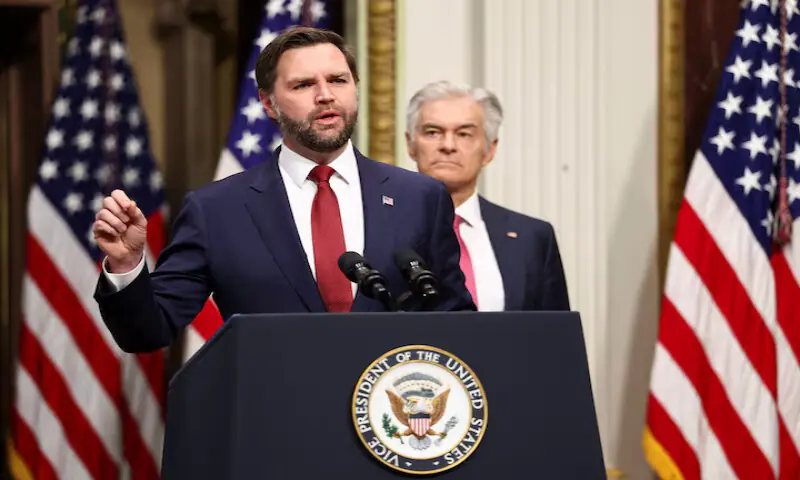
Republicans are emphasising health care fraud as a central issue in their 2026 midterm campaigns, highlighting what they describe as widespread abuses in Medicaid programmes across several states.
The push comes after a viral video last year by YouTuber Nick Shirley exposed fraudulent Medicaid providers in Minnesota, prompting the White House and Congress to take public action, according to a report in POLITICO.
Vice President JD Vance and Centres for Medicare & Medicaid Services Administrator Mehmet Oz have taken leading roles in the effort.
Vance launched a new fraud task force this spring and appointed an assistant attorney general dedicated to investigating fraud.
Oz has released viral videos promoting CMS’s anti-fraud initiatives and launched investigations in multiple states.
Congressional committees are also investigating, requesting information from ten states about Medicaid oversight and examining cases such as hospice fraud in California, the report said.
Republicans argue that focusing on fraud allows them to shift attention from broader health care cost concerns and counter Democratic criticism of Medicaid cuts enacted in last year’s One Big Beautiful Bill Act.
The legislation, which included expanded work requirements, aimed to reduce waste and fraud in the programme.
“Good governance is good politics, and addressing fraud is good politics,” said Energy & Commerce Committee Chairman Brett Guthrie.
However, some strategists and experts question whether the emphasis on fraud will resonate with voters, who are largely focused on rising health costs.
“Unless it’s paired with a clear plan to lower costs, anti-fraud efforts are unlikely to outweigh those concerns in 2026,” said Joel White, a GOP health strategist.
Republicans counter with polling that shows the fraud message could appeal to low-turnout Trump voters.
A January poll from the conservative Foundation for Government Accountability found that 85% of low-propensity Trump voters support measures to combat waste, fraud, and abuse, while 61% said the government must do more to prevent welfare fraud.
In Minnesota, fraud concerns have already influenced politics.
The state’s Democratic Governor Tim Walz opted not to run for a third term, following high-profile fraud investigations and CMS penalties, which included a proposed $2 billion cut to future Medicaid payments.
Republican Senate candidate Michele Tafoya has highlighted these issues in her campaign.
Despite this, analysts caution that fraud alone may not sway voters.
Rising premiums and general health care affordability remain pressing concerns.
A recent KFF poll indicates that 56% of Americans anticipate health care will become less affordable this year, with independent voters showing greater confidence in Democrats to address the issue.
Republicans are weighing additional health care reforms using the Senate reconciliation process, a legislative tool that enables bills to pass without being subject to a filibuster.
Potential measures include cracking down on waste in Medicare Advantage plans and expanding cost-saving initiatives like applying TrumpRx discounts to out-of-pocket insurance costs.
Still, party leaders have not finalised which health policies will be prioritised, reflecting hesitancy after past reform setbacks, including the failed ACA repeal in 2017 and the expiration of enhanced ACA tax credits last year.
“A lot of Republicans have thought of health care as a hot stove,” said health policy expert Avik Roy.
“They were burned before, but there are reforms consistent with conservative values that could reduce costs for consumers.”
For the latest news, follow us on Twitter @Aaj_Urdu. We are also on Facebook, Instagram and YouTube.
















Comments are closed on this story.