


Downing of US jets punctures Trump’s air superiority claim
2 min read
Two US fighter jets were shot down by Iran on Friday, marking a new and awkward phase in a conflict already unpopular with the American public.
One of the crew members has reportedly been rescued and is receiving medical care, while the fate of the second remains unknown, CNN reported.
The incident was quickly followed by news that a second US combat aircraft, an A-10 Warthog, was also hit by Iranian fire.
The pilot managed to navigate out of Iranian territory before ejecting and was rescued, a US official said.
While these episodes hardly suggest a sudden shift in military balance — American casualties remain limited, with no known deaths in the past three weeks — they do highlight the risks of asymmetric warfare.
And they puncture the Trump regime’s claims of complete and uncontested dominance over Iranian airspace.
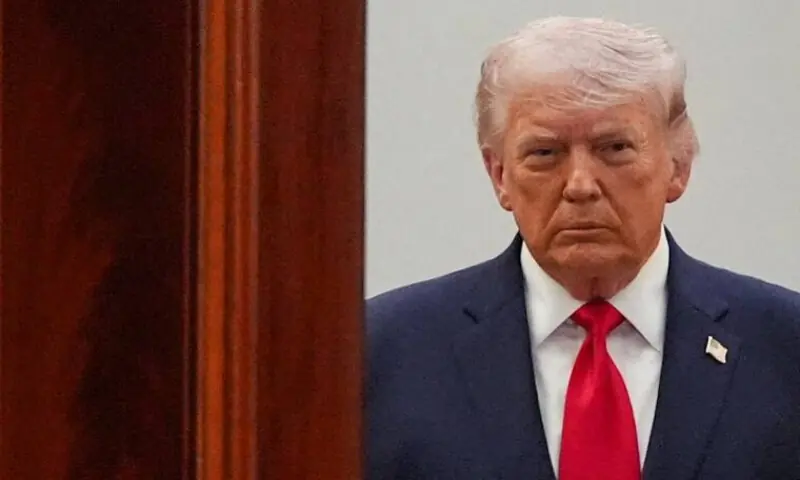
For weeks, President Donald Trump and Defence Secretary Pete Hegseth have described the skies over Iran as entirely under US and Israeli control.
“And Iran will be able to do nothing about it,” Hegseth asserted in a March 4 briefing.
Trump echoed the theme, claiming that planes were flying over Tehran and other regions without resistance, and that Iran had “no navy,” “no military,” and “no anti-aircraft systems.”
Yet, two downed jets in just one day serve as a reminder that reality is more complicated than rhetoric.
Even Hegseth previously acknowledged that setbacks —including lost drones or life — were possible, though such caveats were often overshadowed by absolutes like “complete control” and “uncontested airspace.”
This is not the first time the US regime has overstated military success.
Last June, Trump declared Iran’s nuclear programme “obliterated,” only for intelligence assessments to indicate otherwise.
Misattributions of attacks and exaggerated claims about missile launcher destruction have also raised questions about the administration’s messaging.
The political stakes are high. US military success was supposed to be the regime’s strongest card in the conflict, yet Americans remain sceptical.
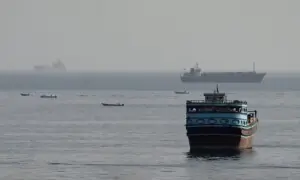
Objectives have shifted repeatedly, public support is thin, and economic consequences — especially rising gas prices following the effective closure of the Strait of Hormuz — have added to domestic dissatisfaction.
Hegseth has argued that the media has missed the campaign’s successes, claiming control over Iran’s airspace and waterways without boots on the ground.
Yet, as the latest incidents demonstrate, control is far from complete, and setbacks continue to challenge the narrative of unstoppable US military superiority.
For the latest news, follow us on Twitter @Aaj_Urdu. We are also on Facebook, Instagram and YouTube.





Comments are closed on this story.