


Pakistan boosts port capacity as Hormuz crisis diverts shipping traffic
1 min read

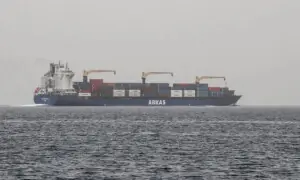

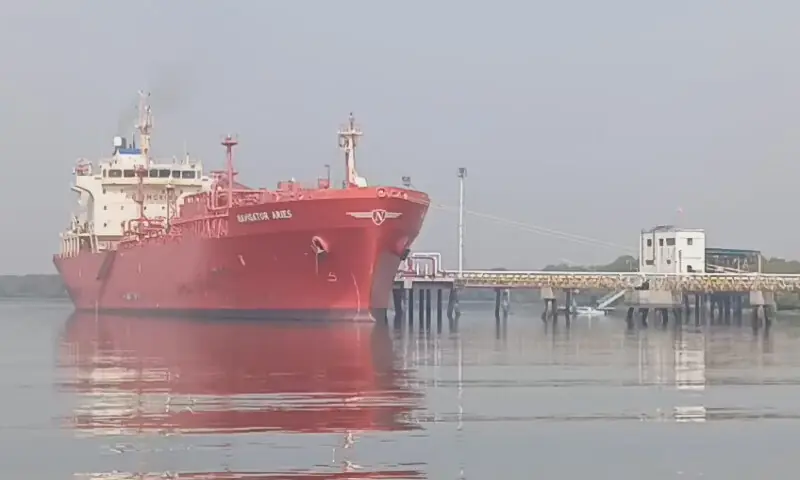
Pakistan has expanded its port handling capacity and is witnessing increased maritime traffic as regional shipping routes shift amid tensions in the Strait of Hormuz.
Officials say enhanced capacity across major ports is aimed at promoting transhipment and strengthening Pakistan’s position as a regional logistics hub.
At present, Karachi Port Trust has a handling capacity of 20,000 TEUs, while Port Qasim Authority can manage 12,500 TEUs, and Gwadar Port Authority has a capacity of 5,000 TEUs.
Container handling has also improved significantly. Karachi Port received 8,000 containers and dispatched 3,500, with 4,500 remaining in balance, while Port Qasim is currently handling 3,485 containers, reflecting increased operational activity.
The shift comes as Iran-US tensions and the closure of the Strait of Hormuz have redirected shipping lines toward Pakistani ports.
According to port data, 11 vessels called at Port Qasim in March 2026, delivering a total of 417,390 metric tonnes of petroleum products.
Several tankers discharged significant volumes of fuel from regional sources, including Singapore, Sohar, Fujairah, Yanbu and Oman.
These included petrol, high-speed diesel and gas oil shipments, ensuring an uninterrupted supply across the country.
Most vessels completed discharge operations within 24 to 30 hours, highlighting improved port efficiency and logistics management.
Officials say the combined measures mark a significant step toward establishing Pakistan as a competitive transhipment hub, with the potential to boost trade flows and support economic stability.
For the latest news, follow us on Twitter @Aaj_Urdu. We are also on Facebook, Instagram and YouTube.
















Comments are closed on this story.