


United Airlines to cut more flights as it eyes oil above $100 through 2027
3 min read



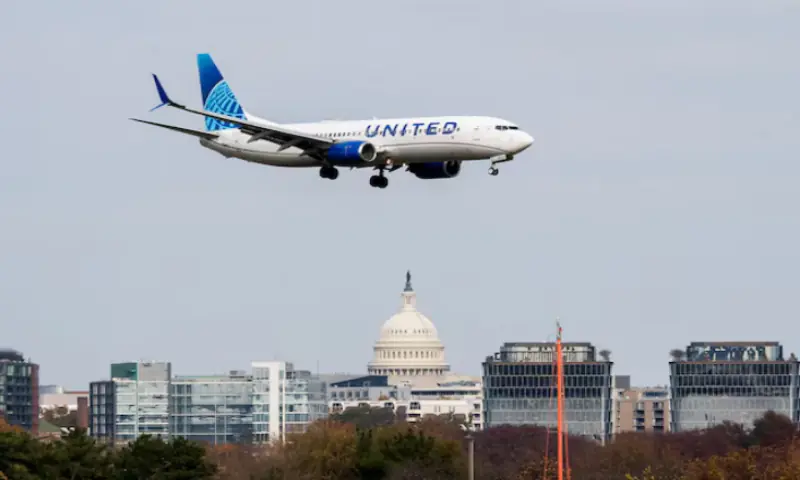
United Airlines is cutting more unprofitable flights over the next two quarters as it prepares for a prolonged period of high jet fuel prices due to the Iran war, even as strong travel demand has allowed US carriers to raise fares.
Chief Executive Scott Kirby said in a staff memo on Friday that the airline is preparing for oil to rise as high as $175 a barrel and remain above $100 until the end of 2027.
At those levels, United’s annual fuel bill would rise by about $11 billion, more than twice the profit it earned in its “best year ever,” he said.
The war in Iran has pushed airlines into a fresh fuel shock. Jet fuel prices have nearly doubled since late February, raising costs across the industry and disrupting global flying patterns through reroutings and airspace restrictions.
Still, U.S. carriers have so far been able to push through fare increases, helped by resilient travel demand and tighter capacity.
“There’s a good chance it won’t be that bad,” Kirby wrote of the airline’s fuel assumptions. “But…there isn’t much downside for us to preparing for that outcome.”
CUTTING MARGINAL FLYING
United had already begun trimming less profitable flights, including some midweek, Saturday and overnight service.
In the staff memo, shared by the company, Kirby said the airline would cancel about three percentage points of off-peak flying in the second and third quarters, targeting routes and periods with weaker demand.
It will also pull about one percentage point of capacity from Chicago O’Hare and keep service to Tel Aviv and Dubai suspended, bringing the total reduction to about five percentage points of this year’s planned capacity.
Kirby said United currently expects to restore the full schedule in the fall.
The latest cuts build on Kirby’s comments earlier this week that the airline would rather leave some demand unmet than keep flying routes that lose money if fuel stays high.
FARES HELP SOFTEN THE HIT
Big U.S. airlines have said strong demand is giving them room to raise fares, helping soften the impact of higher fuel costs. Capacity cuts such as United’s are also expected to support the industry’s pricing power.
Wall Street’s main indexes ended sharply lower on Friday, with the Dow dropping nearly one per cent, the S&P 500 falling one-and-a-half percent 00:0202:09
Rival Delta Air Lines, which raised its first-quarter revenue forecast this week, has also said it has the flexibility to trim capacity if fuel prices remain elevated.
US carriers are particularly exposed because most do not hedge fuel costs, unlike some European and Asian airlines that use hedging to cushion price shocks. Instead, they have been relying on fare increases and capacity discipline to recover part of the added expense.
Soaring fuel costs are piling additional pressure on low‑cost carriers, compounding strains on business models already challenged by rising labour expenses.
Airline executives, however, have so far voiced confidence in fare strength and demand, even as operating costs continue to climb.
United has said the first 10 weeks of the year were the strongest booking weeks in its history, a trend echoed by other large U.S. carriers reporting robust spring bookings.
A strong demand environment has already allowed airlines to push through two fare increases of about $10 each way, and could support a further 5% to 7% rise, according to Melius Research.
Kirby said earlier this week United aimed to fully offset higher fuel costs this year, noting that fares booked over the past week had risen 15% to 20%.
LONG-TERM GROWTH INTACT
Even as it pares back flying in the near term, Kirby told employees that United was not backing away from its broader growth strategy.
The Chicago-based carrier will continue taking delivery of about 120 new aircraft this year, including 20 Boeing 787s, with another 130 aircraft due by April 2028, he said.
United also will not respond the way it did in past downturns by furloughing staff or delaying future investments, Kirby wrote in the memo.
For the latest news, follow us on Twitter @Aaj_Urdu. We are also on Facebook, Instagram and YouTube.
















Comments are closed on this story.