



Macron faces Iran backlash over ‘selective concern’
2 min read



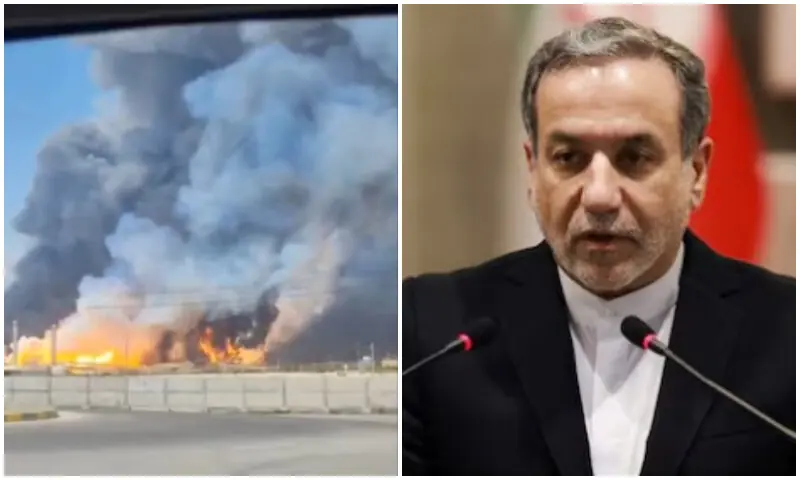
Iran’s Foreign Minister Abbas Araghchi has sharply criticised French President Emmanuel Macron, accusing him of remaining silent on Israeli and US strikes on Iran while expressing concern only after Tehran’s retaliatory actions.
In a statement posted on social media platform X, Araghchi said Macron “has not uttered one word of condemnation” regarding what he described as the ongoing Israel-US war on Iran.
He added that the French leader also failed to respond when Israeli strikes targeted fuel storage facilities in Tehran, allegedly exposing millions of civilians to toxic effects.
The Iranian foreign minister further said Macron did not react to attacks on Iran’s gas infrastructure but voiced concern only after Iran launched counterstrikes.
“This approach is regrettable,” he said, calling it a case of “selective concern.”
Macron, in his own statement, said he had spoken with the Emir of Qatar and US President Donald Trump following strikes on gas production facilities in Iran and Qatar.
He urged an immediate moratorium on attacks targeting civilian infrastructure, particularly energy and water facilities, stressing the need to protect civilian populations and ensure energy security amid escalating military tensions.
The exchange comes as the Iran-Israel conflict enters its 20th day, with hostilities expanding to critical energy infrastructure across the region, raising fears of a wider escalation.
According to media reports, the conflict has spread across multiple fronts, including targeted killings of senior Iranian officials and strikes on key energy sites by Israel and the United States.
On March 19, Israel targeted Iran’s South Pars gas field, considered the world’s largest, marking a significant escalation. Within hours, Iran launched retaliatory missile strikes on oil and gas facilities in Qatar, Saudi Arabia, and the United Arab Emirates.
Reports said Iranian missiles struck the Ras Laffan Industrial City in Qatar, triggering fires and raising concerns over potential disruptions to global gas supplies and a possible surge in prices.
Earlier, Iran’s Revolutionary Guards had warned that any attack on the Pars gas field would prompt strikes on energy infrastructure across Gulf states, a threat that was subsequently carried out.
President Trump, reacting to the strike on Iran’s gas field, said Israel had acted “out of anger” but suggested further escalation could be avoided if Iran refrains from retaliation. He also warned that continued Iranian attacks on Qatar could lead to the complete destruction of the Pars gas field.
The rapidly intensifying conflict, now targeting vital energy corridors, has heightened concerns over regional stability and global energy markets.
For the latest news, follow us on Twitter @Aaj_Urdu. We are also on Facebook, Instagram and YouTube.





Comments are closed on this story.