


PM launches PSDP data portal to boost transparency, reform drive
2 min read


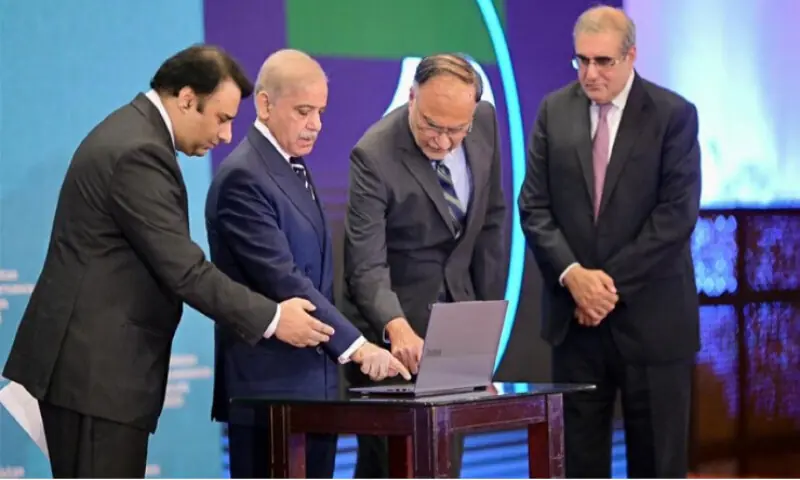
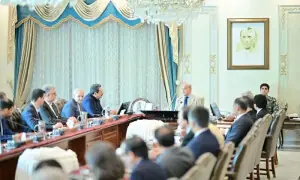
Prime Minister Shehbaz Sharif on Wednesday launched the Public Sector Development Programme (PSDP) Data Portal, calling it a step toward greater transparency and open governance.
He inaugurated the portal at the Pakistan Governance Forum 2026 in Islamabad.
Addressing the forum, the prime minister stressed a “whole-of-government” approach to drive exports and economic stability. He said electricity tariffs had been reduced by around Rs9 per unit and called for curbing power theft estimated at Rs200 billion through coordinated action.
PM Shehbaz said the Utility Stores Corporation and the Pakistan Works Department had been closed to prevent financial leakages. He added that Rs38 billion in direct subsidies had been disbursed to deserving families through digital wallets during Ramazan.
The prime minister also underlined the need to reduce direct taxation in the upcoming budget to support businesses. He called for eliminating sales tax pilferage and reiterated that the government’s role was to facilitate the private sector, not compete with it.
Planning Minister Ahsan Iqbal said international financial institutions and rating agencies were citing Pakistan’s economic recovery as a case study. He credited reforms with averting default and said governance formed the core of the government’s “Uraan Pakistan” transformation agenda.
Iqbal said Pakistan could become a $1 trillion economy by 2035 if it fully utilised its potential. He urged stakeholders to focus on an “economic long march” instead of political agitation. He said the PSDP Data Portal would allow citizens to monitor development projects and improve accountability.
UNDP Resident Representative Samuel Rizk said governance was a strategic choice shaping the future. He linked inclusive governance to economic stability, climate resilience and public trust.
British High Commissioner Jane Marriott praised Pakistan’s reform focus, particularly efforts to build a coherent export strategy. She said good governance reduced costs and built investor confidence.
Gilgit-Baltistan Chief Minister Yar Mohammad said digital governance reforms were transforming the region. He noted that the civil secretariat now operates an integrated system for case management, asset tracking, biometric attendance and district monitoring.
Khyber Pakhtunkhwa Chief Minister’s Adviser Muzammil Aslam said the province had completed a five-year digitalisation plan in under a year. He said 170 services had been identified for digitisation, with 56 fully digitalised and 73 offering electronic payments.
Law Minister Azam Nazeer Tarar said legal reform was central to governance reform. He said more than 900 updated federal laws were now available online through the Pakistan Code and that 176 years of legislative history had been digitised. He added that new case management systems were handling thousands of federal cases.
For the latest news, follow us on Twitter @Aaj_Urdu. We are also on Facebook, Instagram and YouTube.












Comments are closed on this story.