


Cartel boss ‘El Mencho’ tracked down through romantic liaison
5 min read

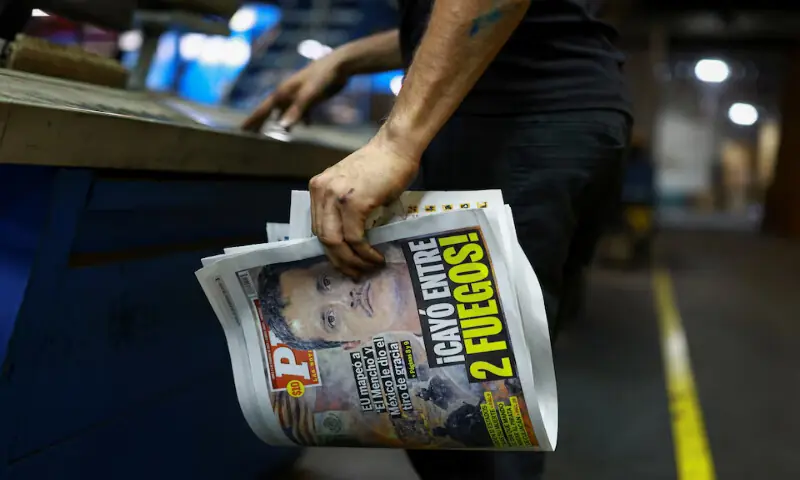
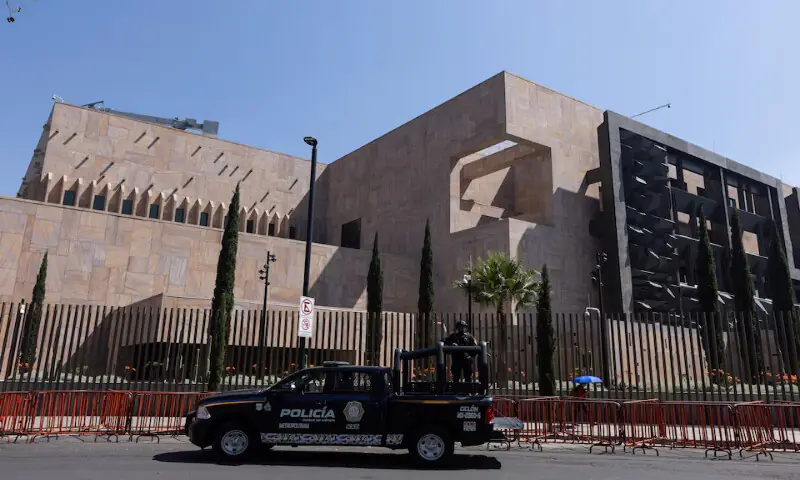
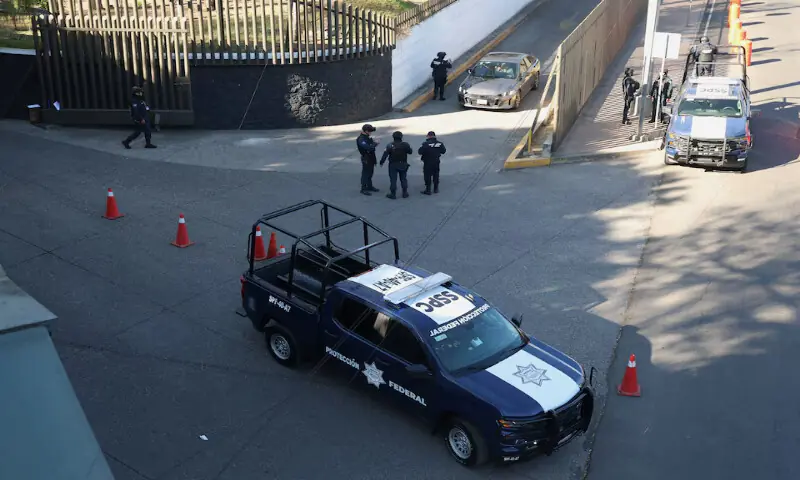
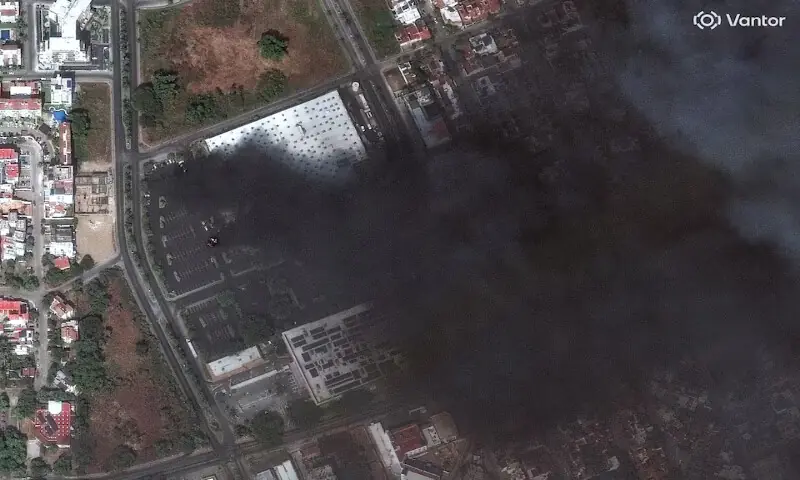
A tip about drug lord Nemesio Oseguera’s romantic liaisons led Mexican authorities to the cartel leader’s hideout in a small town of Jalisco state, where he was killed, Mexican authorities said on Monday in the first account of the ambush that spawned violence across much of Mexico.
At least 62 people died in the early Sunday raid on Oseguera, known as “El Mencho,” and in ensuing violence — including 25 members of the National Guard military police and 34 suspected gang members — as cartel loyalists set cars ablaze in 85 roadblocks in more than a dozen states, authorities said.
President Claudia Sheinbaum, early on Monday, said the situation was normalising and roadblocks were under control.
Still, Mexico beefed up security in Jalisco, the stronghold of Oseguera’s infamous Jalisco New Generation Cartel (CJNG), with the deployment of 2,000 troops, and Mexicans as well as tourists in the state’s famed coastal towns fretted over the quick spread of violence to far corners of Mexico.
Oseguera’s death is a blow to the CJNG, a highly diversified criminal enterprise, and a victory for Mexico’s government after pressure from US President Donald Trump to crack down on the cartels.
Yet the victory could lead to further violence in a country already grappling with years of killings and disappearances at the hands of organised crime.
“Unfortunately, it’s not the first time we’re experiencing this, but this time it does seem a bit more worrying because there’s no successor to these cartels,” said Fabiola Cortes, a schoolteacher in Mexico City.
“We hope that, truly, our president does something for us, protects us, because honestly, fear is everywhere on the streets.”
Oseguera, Mexico’s most-wanted cartel leader, was the mastermind of the powerful Jalisco New Generation Cartel, rival to the also infamous Sinaloa Cartel.
The US had offered a $15 million reward for information leading to his arrest.
The US provided intelligence to help pinpoint the exact location of the compound in the town of Tapalpa, where Mexican authorities found the cartel boss, but Mexican officials underscored that they spearheaded the operation.
“There was no participation in this operation of US forces. What there was was an exchange of information,” President Sheinbaum said.
Surge in violence
Oseguera died in a helicopter after being injured in a military operation by Mexican special forces in a wooded area outside the town of Tapalpa in the western state of Jalisco, according to Mexico’s defence ministry.
Defence Minister Ricardo Trevilla said information from a confidante of one of Oseguera’s romantic partners helped officials quickly plan the raid for the following day at the crime boss’s compound.
During the raid, Oseguera’s gunmen opened fire on security forces, and the conflict moved to a cabin complex in a wooded area, where he was injured along with two of his bodyguards.
The three were transported by helicopter to Mexico City but did not survive, Trevilla said.
“Unfortunately, they died on the way,” Trevilla said, speaking at the president’s daily press conference.
He choked up while offering condolences to the families of officers who died.
Rifles with grenade launchers, rocket launchers and mortar shells were found at the site of the raid, officials added.
Mexico’s Attorney General’s Office said it was carrying out proceedings across 14 states, nearly half of the country, and Security Minister Omar Garcia Harfuch said at least 70 people were arrested in seven states.
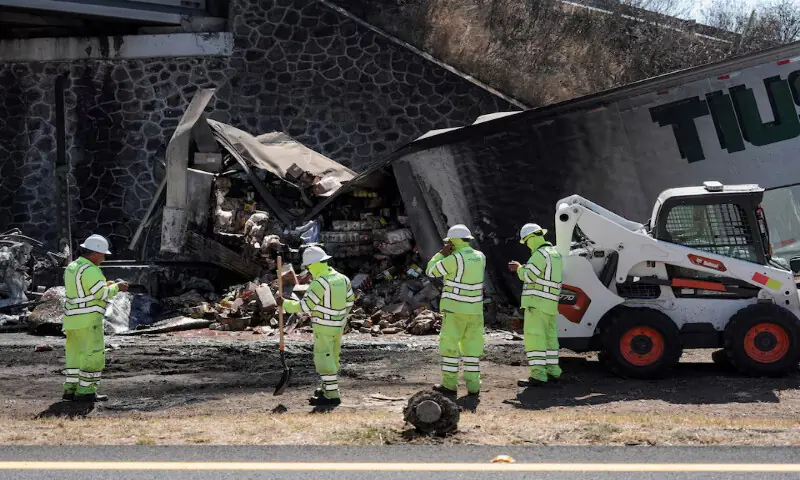
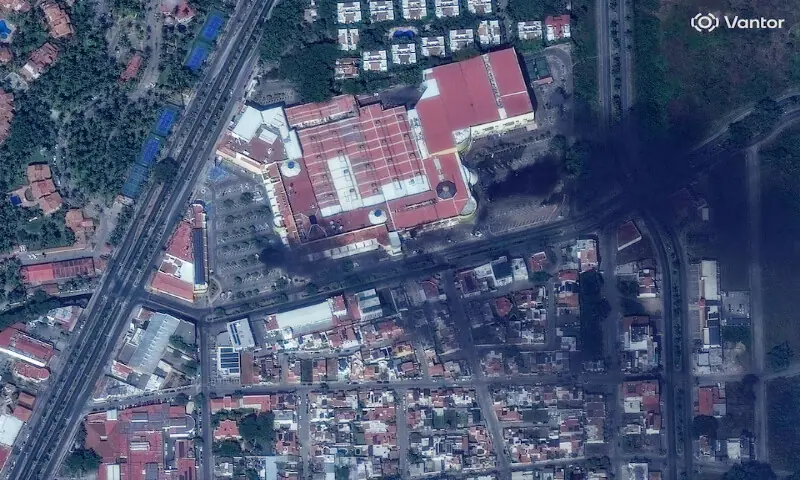
Throughout Sunday, suspected cartel members set fire to vehicles and businesses, blocking roads and disrupting travel, in protest of Oseguera’s killing.
According to the defence ministry, attacks in Jalisco were organised by Oseguera’s right-hand man and top financial chief known as “El Tuli,” who was also killed in a clash with security forces as they attempted to arrest him.
The cartel operative offered a 20,000 peso ($1,160) reward for the deaths of military personnel, according to Trevilla.
Garcia added that authorities were closely monitoring for a reaction or restructuring within the cartel that could unleash further violence.
“There is already a specific surveillance of several leaders of this criminal organisation,” he said.
Impact on tourism
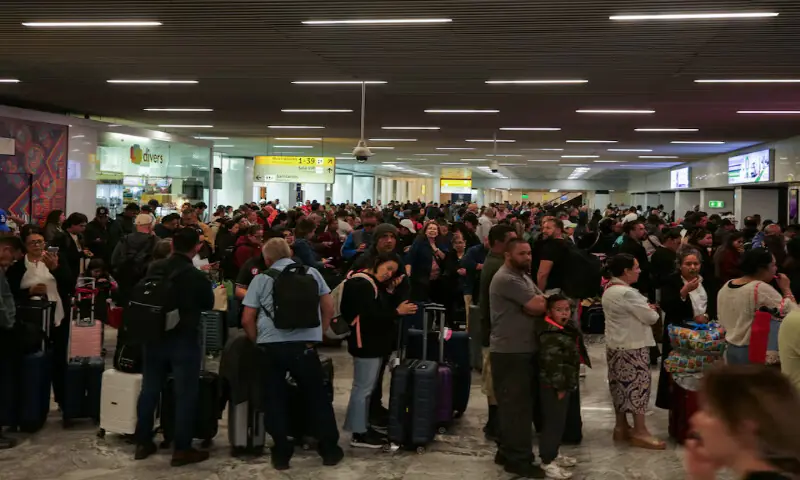
The flare-ups caused airlines to cancel flights on Sunday, and on Monday morning, shares in Mexican airline Volaris and airport operators GAP and ASUR were down more than 4%.
Airline Aeromexico on Monday said it was gradually resuming flights, while Air Canada said it would resume flights to the popular Puerto Vallarta beach resort on Tuesday, and flights to Jalisco’s capital city of Guadalajara on Wednesday.
Ryan Davis was among the foreign tourists in Puerto Vallarta, shocked by the violence on Sunday.
“It was surreal because we’re going to the airport and we’re dodging burned-out cars in the middle of the street,” he recalled.
State oil firm Pemex said its operations were working normally and fuel supplies were guaranteed nationwide, after unverified video footage showed fighting and intense shooting at a Pemex gas station.
Mexican conglomerate Femsa, which operates Mexico’s ubiquitous Oxxo convenience stores, reported over 200 incidents at its stores and gas stations.
Kimberley Sperrfechter, emerging markets economist at Capital Economics, said the immediate impact would hit tourism, but if the unrest drags on, it could also risk electronics and semiconductor manufacturing in Jalisco.
Besides electronics manufacturing, Jalisco is also an agricultural hub for products such as eggs, berries and avocados, as well as the birthplace and a leading producer of tequila.
“Beyond the macro implications, the killing shows that Mexico’s government is doing what it can to appease the Trump administration ahead of this year’s USMCA review,” she added, referring to the US-Canada-Mexico free trade pact.
However, on Monday morning, US President Donald Trump called on Mexico to further boost its efforts targeting drug cartels.
“Mexico must step up their effort on Cartels and Drugs!” he wrote in a social media post.
While the US has pushed Mexico for more action on drug trafficking, Mexican authorities have also long called on the US to do more to limiwort the illegal sales of firearms that bolster the vast, deadly arsenals of cartels that operate inside its territory.
According to US government data, some 70% of illegal arms traced in Mexico came from the US.
For the latest news, follow us on Twitter @Aaj_Urdu. We are also on Facebook, Instagram and YouTube.




Comments are closed on this story.