


Diabetes risk rises in MENA as wearable technology offers early screening support
2 min read



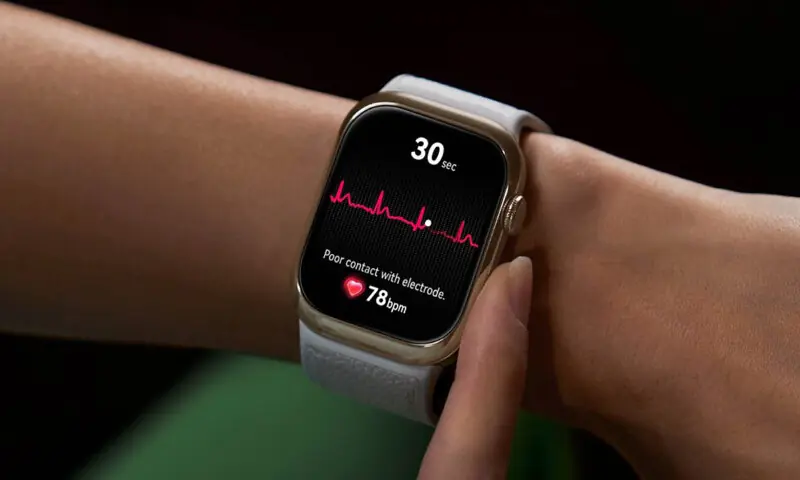
Diabetes remains a major public health challenge globally, particularly in the Middle East.
According to the 2024 report by the International Diabetes Federation (IDF), 589 million adults aged 20-79 are living with diabetes worldwide, with 43 per cent of cases undiagnosed.
In the MENA region, 85 million adults are living with diabetes, a figure projected to rise to 163 million by 2050.
In the UAE, IDF data shows adult diabetes prevalence at 20.7 per cent, placing it among the highest globally.
With lifestyle-related risk factors increasing, early risk identification and prevention are becoming national priorities.
Non-invasive screening approach
Traditional diagnostic tools such as HbA1c testing may not always be accessible, particularly for asymptomatic individuals.
Health experts highlight the role of non-invasive digital biomarkers in supporting awareness and identifying individuals who may require confirmatory testing.
PPG-based technology
Huawei’s diabetes risk assessment feature uses photoplethysmography (PPG), a non-invasive optical method that measures blood-flow changes through the skin.
PPG captures cardiovascular signals through sensors in smartwatches.
Research indicates that diabetes affects vascular function, autonomic regulation and microcirculation, which influence PPG waveforms.
Advances in smartwatch sensors allow continuous real-world data collection.
How the feature works
Users must wear the device consistently for three to fourteen days. After the assessment period, the app provides a result of “low risk,” “medium risk,” or “high risk.”
Users identified as medium or high risk are advised to seek medical consultation and further diagnostic testing.
The feature is positioned as a preclinical risk-awareness tool and not a diagnostic device.
Regulatory positioning
Huawei states the function is not intended to diagnose diabetes or replace clinical testing.
It is designed for awareness and prevention, offered free of charge, for civilian use only, with no known side effects.
Expansion plans
The feature is currently available on the HUAWEI WATCH GT 6 Pro through an OTA software update and is expected to expand to additional smartwatch models.
Huawei’s health research efforts are supported by its Health Labs in Dongguan, China, and Helsinki, Finland, focusing on cardiovascular health and long-term monitoring.
The approach aligns with preventive healthcare strategies and aims to support early risk identification alongside traditional medical systems.
For the latest news, follow us on Twitter @Aaj_Urdu. We are also on Facebook, Instagram and YouTube.
















Comments are closed on this story.