


IWT case moves ahead as arbitration court ignores India’s boycott
2 min read



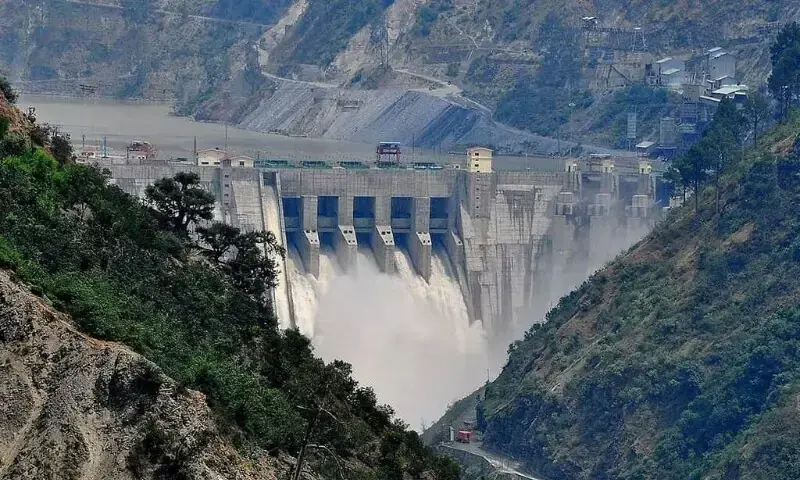
The Permanent Court of Arbitration under the Indus Waters Treaty (IWT) on Tuesday announced that proceedings will continue despite India’s refusal to participate in the arbitration process, according to an official statement.
The declaration followed the completion of the second phase of hearings at The Hague, where the tribunal reviewed disputes related to Indian hydropower projects on the Indus, Jhelum and Chenab rivers.
The court said India failed to attend the hearings despite formal invitations and did not submit key operational data related to the Baglihar and Kishanganga projects.
According to Procedural Order No. 19, issued on January 29, 2026, the tribunal confirmed its jurisdiction and warned that non-cooperation could result in adverse legal consequences.
The court had directed India to submit relevant reservoir and operational records by February 9. Sources said New Delhi missed the deadline and did not provide the required information.
The tribunal noted that critical technical data remained in India’s possession and placed the burden of evidence on New Delhi. It stressed that transparency was essential for resolving disputes under the treaty.
The two-day hearing was attended by Pakistan’s attorney general, who represented the country and presented objections to the design and capacity of Indian water projects.
The arbitration panel is headed by American professor Sean D. Murphy and includes experts from Belgium, the United States, Jordan and Australia.
Officials said Pakistan had fully cooperated with the proceedings and submitted all required documents.
The court also referred to its August 2025 ruling as significant for the current case, describing the dispute as part of the treaty’s formal resolution mechanism.
Separately, United Nations special rapporteurs had sought clarifications from India in October 2025, but New Delhi failed to respond within the stipulated period.
Legal experts said India’s continued silence could weaken its position in international forums and undermine treaty compliance. Observers warned that the outcome of the case could have long-term implications for regional water security.
For the latest news, follow us on Twitter @Aaj_Urdu. We are also on Facebook, Instagram and YouTube.











Comments are closed on this story.