


Bangladesh sets February 12 date for general election and reform referendum
2 min read


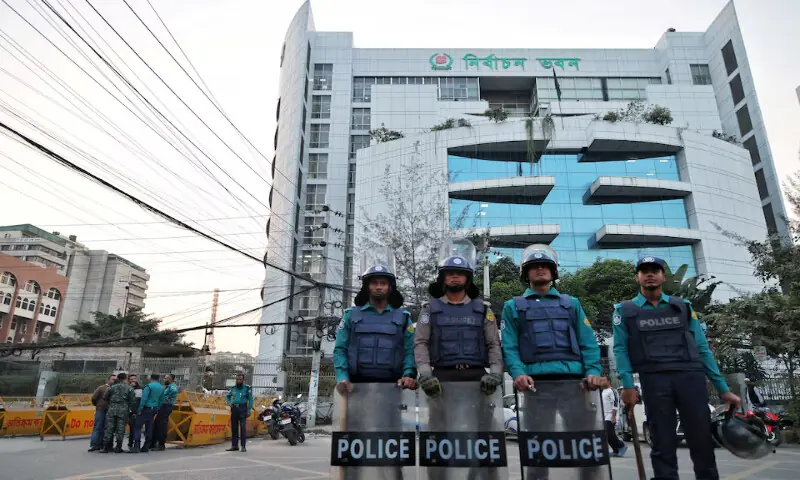
Bangladesh will hold its next general election on February 12, Chief Election Commissioner A.M.M. Nasiruddin announced, setting the stage for a landmark vote nearly 18 months after the removal of former prime minister Sheikh Hasina.
In a televised address, Nasiruddin said the country would also hold a national referendum on political reforms on the same day, alongside elections to the 300-seat parliament.
According to the election schedule, nomination papers may be filed between December 12 and 29, followed by scrutiny over six days.
Candidates will have until January 20 to withdraw their nominations.
The announcement comes after a turbulent political period. Bangladesh’s last elections were held in January 2024, when Hasina secured a fourth consecutive term in a vote boycotted by major opposition parties, who alleged widespread rigging.
Mass protests erupted in July and August 2024, ultimately forcing Hasina from office.
She later fled to India and was sentenced to death in November on charges of crimes against humanity linked to the unrest.
Since August 8, 2024, the country has been governed by an interim administration led by Nobel Peace Prize laureate Muhammad Yunus.
The interim government has banned all political activities of Hasina’s Awami League, effectively barring the former ruling party from contesting the upcoming polls.
The February vote will mark Bangladesh’s 13th general election since independence in 1971.
Mixed political reactions
The election timeline was welcomed by several political groups.
Bangladesh Nationalist Party (BNP) Secretary General Mirza Fakhrul Islam Alamgir described the announcement as reassuring and said it reflected a shared commitment by the Election Commission, government, and political parties to restore the people’s right to vote.
Other parties, including Jamaat-e-Islami and the newly formed National Citizen Party led by figures from last year’s uprising, also welcomed the move.
However, the Awami League rejected the election plan, calling it exclusionary and warning it could push the country into a deeper political crisis.
The party has demanded the withdrawal of the ban, arguing that a credible election must be inclusive.
In a statement, Yunus congratulated the Election Commission and said the election and referendum would help consolidate the country’s post-uprising transition and strengthen democratic foundations.
For the latest news, follow us on Twitter @Aaj_Urdu. We are also on Facebook, Instagram and YouTube.







Comments are closed on this story.