


England moves closer to eliminating hepatitis C ahead of 2030 target
3 min read


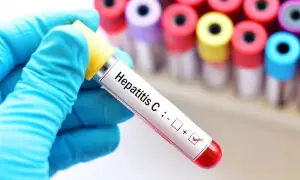
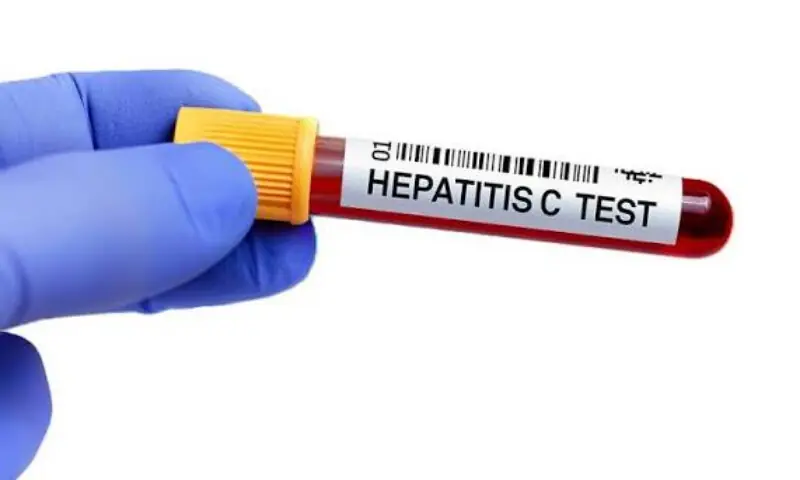
England is making significant progress towards eliminating hepatitis C, with the country already meeting a key target for diagnosing and treating people with the potentially deadly liver disease, according to new figures.
More than 100,000 people have been diagnosed and treated for hepatitis C since 2015, meaning England has achieved its goal of treating 80% of known cases ahead of the World Health Organisation’s 2030 elimination target, according to a BBC report.
Deaths linked to the virus have also fallen by 36% over the past decade, although further progress is needed to reach the target of reducing hepatitis C-related mortality by 65% from 2015 levels.
Hepatitis C can now be cured in more than 95% of cases with a course of antiviral tablets taken for between eight and 12 weeks.
NHS England says measures, including blood testing in accident and emergency departments, testing when people register with a GP and free home-testing kits have helped identify people who previously did not know they were infected.
A silent disease
Hepatitis C is transmitted through contact with infected blood, including through the sharing of needles.
Donated blood in the UK is routinely screened for the virus.
The infection often causes no noticeable symptoms for years, meaning many people remain unaware they have it until significant liver damage develops.
If left untreated, hepatitis C can cause severe and potentially life-threatening liver disease.
An estimated 50,200 adults were living with hepatitis C in England in 2024, with around 84.6% believed to have been diagnosed.
That remains below the 90% diagnosis target.
The Hepatitis C Trust said England was “on the cusp” of achieving one of the country’s most significant public health milestones.
Prof Frankie Swords, NHS national medical director, said England was leading international efforts to eliminate hepatitis C and was on course to beat the WHO’s 2030 target.
However, he said health authorities would continue efforts to identify and treat people with the virus.
People at higher risk are being encouraged to order a free and confidential NHS home-testing kit.
Adults born in countries including Ukraine, Romania, Estonia, Latvia, Poland, Albania, Lithuania, Bulgaria, Czechia and Slovakia are particularly encouraged to get tested, as some may have been exposed to the virus during medical or dental procedures before 1991.
The NHS home test can be ordered online without the need to first consult a GP.
Patient diagnosed despite having no symptoms
For 65-year-old Blackburn resident Paul Eatwell, hepatitis C was discovered during a routine blood test.
Eatwell said he was initially shocked because he did not feel unwell and could not understand how he might have contracted the virus.
Although the source of his infection was never confirmed, doctors suggested surgery he underwent in South Africa decades ago could have been a possible cause.
He said the medical support he received after his diagnosis had made a significant difference.
Legacy of infected blood scandal
The progress comes against the backdrop of the UK’s infected blood scandal, in which more than 30,000 people were infected with HIV or hepatitis C between 1970 and 1991 after receiving contaminated blood products or transfusions.
Around 3,000 people have died as a result, with further deaths expected.
A public inquiry into the scandal found that authorities had covered up the risks and exposed patients to unacceptable dangers.
Despite the legacy of the scandal, health officials say advances in testing and treatment have put England within reach of eliminating hepatitis C as a major public health threat.
For the latest news, follow us on Twitter @Aaj_Urdu. We are also on Facebook, Instagram and YouTube.