


US deploys B-1 bombers in major escalation of Iran campaign
3 min read



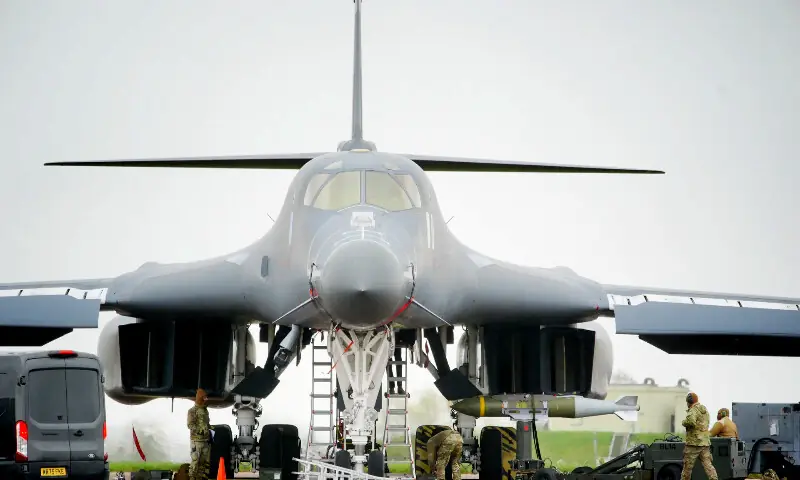
The United States deployed B-1 long-range strategic bombers to strike Iranian military targets this week, marking the first use of the aircraft since hostilities with Iran resumed 12 days ago, according to US officials.
The mission signalled a further escalation of Washington’s military campaign against Tehran, according to an Axios report.
The B-1 bomber is capable of carrying up to 24 2,000-pound bombs or dozens of cruise missiles and can travel at supersonic speeds while carrying one of the largest payloads of any US bomber.
According to US officials, the aircraft took off from a military base in the United Kingdom and was tracked by online flight-monitoring services before carrying out its mission.
US Central Command (CENTCOM) did not specifically mention the deployment of the B-1 bombers in its statement on Tuesday but confirmed that American forces had targeted Iranian military operations centres, maritime capabilities, aircraft hangars, drone storage facilities and military logistics infrastructure.
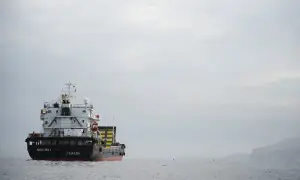
CENTCOM said the strikes were intended to further weaken Iran’s ability to threaten commercial shipping in the Strait of Hormuz.
Officials did not disclose the specific targets struck by the B-1 bombers or whether the mission achieved greater operational success than previous attacks.
The latest operation follows a series of US airstrikes under the ongoing campaign against Iranian military assets, including missile bases, command centres, weapons depots and air defence systems.
Despite the expanded US campaign, Iranian forces have continued attacks on American military bases in the region and have maintained their position on the Strait of Hormuz.
While some US defence officials believe Iran’s military capability around the strategic waterway has been significantly degraded, others caution that Tehran still retains the ability to target commercial shipping.
On Wednesday, President Donald Trump warned that the United States would strike Iranian infrastructure, including bridges and power plants, if Iran carried out further attacks on vessels transiting the Strait of Hormuz.
Iran responded by warning that any country supporting military action against Tehran could see its own infrastructure become a legitimate target.
Meanwhile, Yemen’s Iran-aligned Houthi movement opened another front in the regional conflict by attacking Saudi-linked vessels in the Red Sea after announcing a blockade of Saudi ports earlier this week.
US defence officials believe Iran may be encouraging the Houthis to increase pressure on international shipping through the Bab El Mandeb Strait, another vital global energy corridor.
Commercial shipping traffic through the Red Sea has already been affected, with several vessels reportedly altering course to avoid the Bab El Mandeb amid fears of further Houthi attacks.
Diplomatic efforts to contain the conflict are continuing, with Qatari mediators holding talks with US, Iranian and Omani officials in an attempt to broker an agreement to reopen the Strait of Hormuz and halt the fighting.
However, regional sources said Iran’s leadership has yet to accept the latest proposal presented by mediators.
Speaking in Georgia on Wednesday, Trump said Tehran was under increasing military pressure but remained unwilling to finalise a deal.
“They’re getting hit so hard, and they want to make a deal,” Trump said. “They’re not ready. They will be ready very soon.”
For the latest news, follow us on Twitter @Aaj_Urdu. We are also on Facebook, Instagram and YouTube.









Comments are closed on this story.