


Where authorities are restricting data centres amid AI boom
2 min read



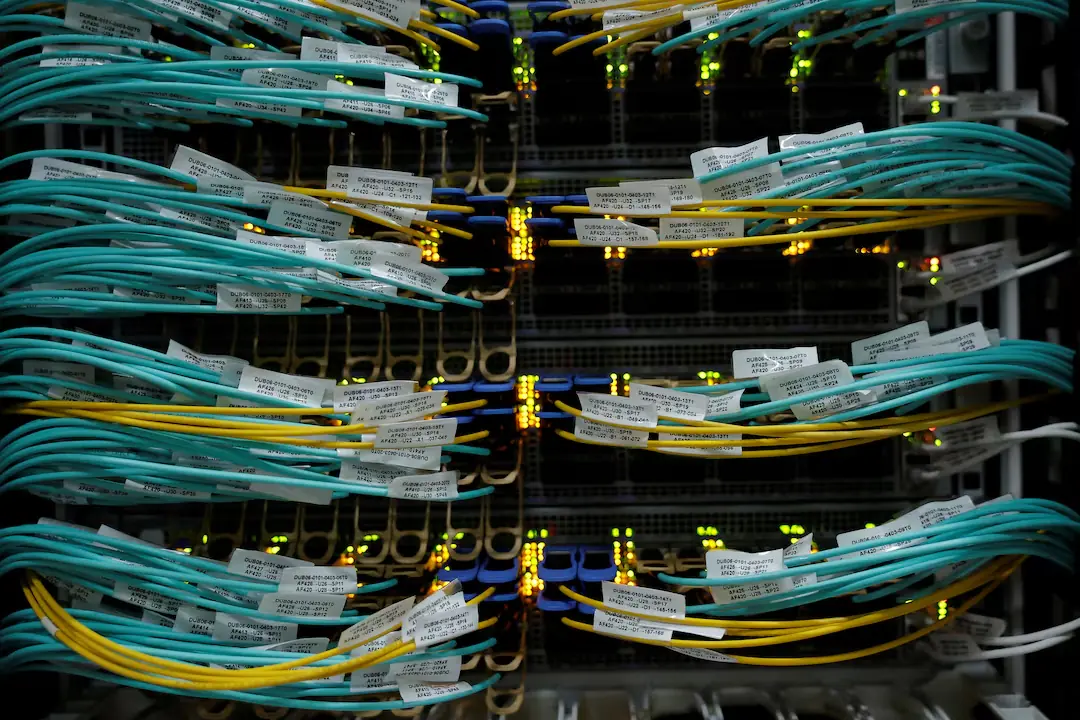
A growing number of governments, regulators and cities around the world are moving to freeze, restrict or ban new data centre construction, as concerns mount over electricity costs, strained water supplies, land scarcity and the burden on local communities from the infrastructure powering the AI boom.
Below are some key examples:
New York state, US
Governor Kathy Hochul imposed a one-year construction moratorium on data centres using 50 megawatts (MW) or more of power, making New York the first US state to enact a full moratorium.
During the freeze, the state’s Department of Environmental Conservation will not issue new discretionary permits while officials develop standards to assess the environmental impact of data centres.
Maine, US (vetoed)
Governor Janet Mills vetoed bipartisan legislation that would have enacted an 18-month moratorium on new data centres using more than 20 MW of power, a measure that would have been the first of its kind in the US.
Mills said she supported a moratorium in principle but objected to the bill’s failure to carve out an exception for a specific project in the Town of Jay.
Monterey Park, California, US
Residents voted to permanently ban data centres in the city in June 2026, becoming the first U.S. city to do so at the ballot box, following public backlash over a planned facility.
Amsterdam, Netherlands
The city imposed a one-year moratorium on new data centre developments in 2019. In April 2025, it barred new data centres or expansions in the municipality until at least 2030.
Separately, the Dutch national government’s 2022 hyperscale ban restricts large facilities to two designated locations nationally, though Microsoft won approval in January 2026 for a project split into three towers, each individually below the size threshold.
Dublin Ireland (restriction now lifted)
Ireland’s grid operator effectively blocked new data centre connections around Dublin from 2021 after warnings the facilities were straining the grid.
The freeze ended in December 2025, with new connections now required to bring their own on-site power generation.
For the latest news, follow us on Twitter @Aaj_Urdu. We are also on Facebook, Instagram and YouTube.













Comments are closed on this story.