


US seeks new coalition to get ships moving again in Hormuz
2 min read


President Donald Trump’s administration is seeking the participation of other countries to form an international coalition to restore freedom of navigation in the Strait of Hormuz, according to a State Department cable seen by Reuters.
US Secretary of State Marco Rubio approved the creation of the Maritime Freedom Construct (MFC), the cable dated April 28 said, which it described as a joint initiative by the State Department and the Pentagon.
“The MFC constitutes a critical first step in the establishment of a post-conflict maritime security architecture for the Middle East. This framework is essential to ensuring long-term energy security, protecting critical maritime infrastructure, and maintaining navigational rights and freedoms in vital sea lanes,” the cable said.
The component of the initiative led by the State Department would serve as the diplomatic hub between partner countries and the shipping industry, while the Pentagon component operating out of CENTCOM headquarters in Florida would coordinate real-time maritime traffic and communicate directly with vessels transiting the Strait, the cable said.
The story was first reported by the Wall Street Journal on Wednesday.
US embassies should deliver the demarche orally to partner nations by May 1, but not to Russia, China, Belarus, Cuba and “other US adversaries”, said the cable.
Participation could be in the form of diplomacy, information sharing, sanctions enforcement, naval presence or other forms of support, it said.
“We welcome all levels of engagement and do not expect your country to shift naval assets and resources away from existing regional maritime constructs and organisations,” the cable said.
“The MFC is distinct from the President’s Maximum Pressure campaign and from ongoing negotiations.”
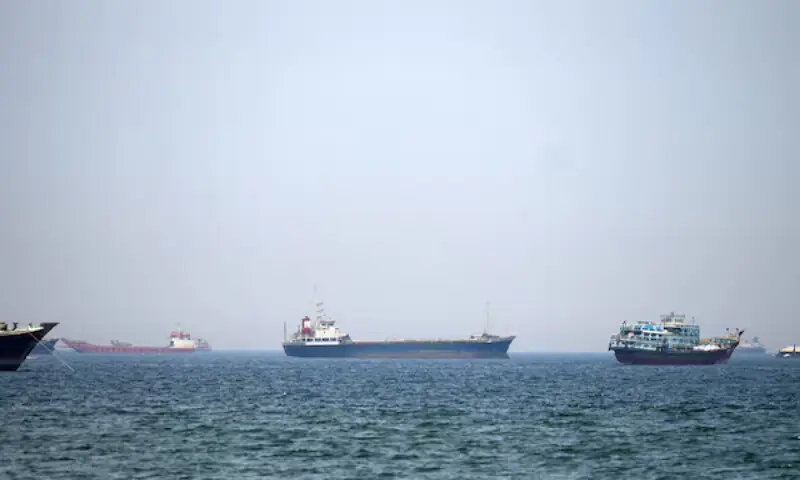
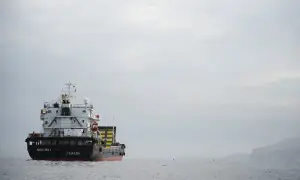
Traffic through the strait, which used to carry one-fifth of the world’s oil and gas, has slowed to a trickle since the US and Israel attacked Iran on February 28 and Tehran blockaded the waterway.
The proposal from the US follows a deadlock in efforts to resolve the conflict, which has also led the United States to try to squeeze Iran’s oil exports with a naval blockade of Iran’s ports.
For the latest news, follow us on Twitter @Aaj_Urdu. We are also on Facebook, Instagram and YouTube.









Comments are closed on this story.