


New DNA study reshapes understanding of human origins
1 min read



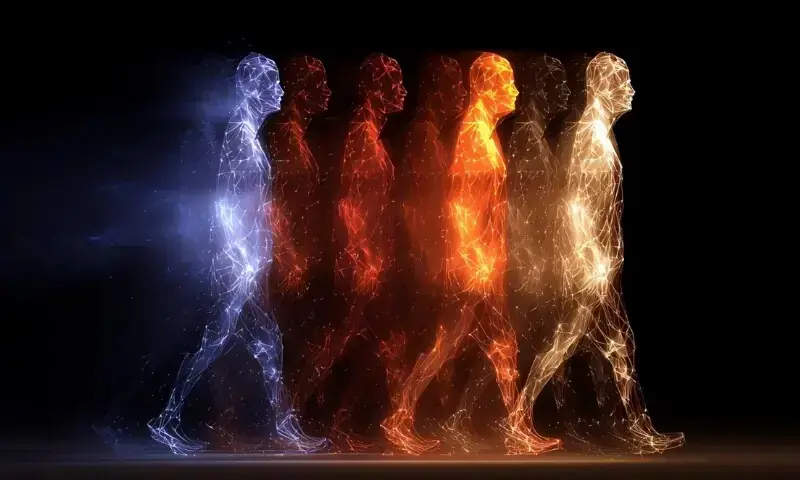
A groundbreaking genetic study has challenged long-standing theories about human evolution, concluding that modern humans did not originate from a single ancestral population but from a network of interbreeding groups across Africa.
The research, published in Nature and highlighted by ScienceDaily, presents a new model of human origins. It suggests that early populations of Homo sapiens were spread across the African continent and remained genetically connected over long periods.
Instead of a simple evolutionary “family tree,” scientists propose a complex web of populations that split, migrated and reconnected over time, exchanging genetic material.
The study combined genomic data from present-day African populations with fossil evidence of early humans. One key component was the analysis of 44 newly sequenced genomes from the Nama people of southern Africa, known for their high genetic diversity.
Lead author Brenna Henn noted that limited fossil records and ancient DNA samples have long made it difficult to fully understand early human history. However, the new findings significantly reshape the narrative.
Co-author Tim Weaver said the results highlight the need to rethink traditional models of human evolution, emphasising interconnected populations rather than isolated lineages.
Scientists broadly agree that modern humans originated in Africa. However, this study underscores that the process was far more complex than previously thought — involving continuous interaction among diverse groups rather than a single point of origin.
For the latest news, follow us on Twitter @Aaj_Urdu. We are also on Facebook, Instagram and YouTube.















Comments are closed on this story.