


DNA research reshapes story of human origins
2 min read



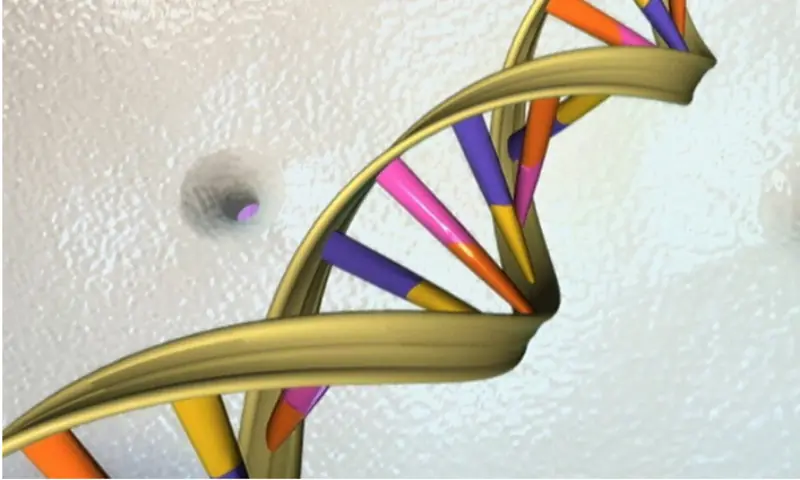
A major genetic study is reshaping how scientists understand the origin of modern humans, suggesting that early Homo sapiens did not emerge from a single isolated population in Africa.
Instead, the study said, humanity’s beginnings appear to have involved multiple ancestral groups spread across the continent that remained connected and interbred for hundreds of thousands of years.
Published in Nature in 2023, the research compared genetic material from present-day African populations with fossil evidence from early Homo sapiens populations.
The result was a model of human evolution that replaces a clean family tree with something more like a network of deeply connected branches.
Scientists widely agree that Homo sapiens originated in Africa, but the study explores how early human groups separated, moved, reconnected, and shaped one another across the continent.
According to the study, gaps in both ancient DNA and the fossil record have long made this story difficult to reconstruct.
According to study authors, the results challenge long-standing assumptions about human origins, noting that genetic and fossil evidence do not always align neatly.
A key element of the analysis came from 44 newly sequenced genomes from the Nama people of southern Africa, who are known for high genetic diversity.
These samples helped researchers study various models of human evolution across Africa.
The study suggests that the earliest detectable split among modern humans took place around 120,000 to 135,000 years ago.
However, even before this divergence, ancestral populations were already exchanging genes across different regions of Africa.
That pattern of movement and interbreeding continued even after the split.
The study authors suggest that early human groups were not isolated from one another, but instead formed a network of populations that remained connected over time.
The study also rejected the idea of unknown archaic human species contributing significantly to modern human DNA.
Instead, it suggests that today’s genetic diversity can largely be traced back to variation within these interconnected ancestral groups.
One of the study’s co-authors said the results could change how scientists interpret early human fossils, noting that populations with different physical features may still have been part of the same broader, linked human network.
According to the study, early African human groups were not sharply distinct, but were broadly similar, with genetic differences developing gradually.
The research points to human evolution as a long, complex process shaped by various factors, including movement, interaction and interbreeding among multiple populations, rather than a single point of origin.
For the latest news, follow us on Twitter @Aaj_Urdu. We are also on Facebook, Instagram and YouTube.














Comments are closed on this story.