Live
Iran israel war

Araghchi calls for ‘conclusive and lasting’ terms to end war

Published 04 Apr, 2026 04:57pm 0 min read
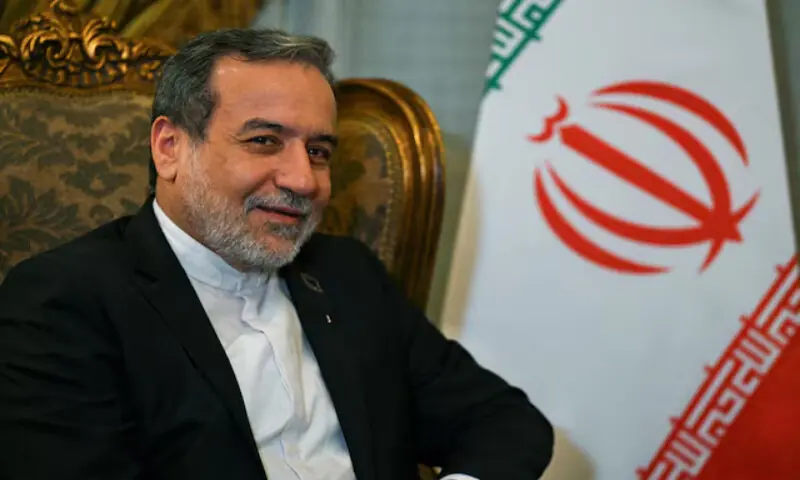
Iran’s Foreign Minister Abbas Araghchi. – Reuters

Iranian officials on Saturday reiterated the country’s focus on securing a lasting resolution to the ongoing conflict, while warning that any escalation against Tehran will be met with a decisive response targeting American interests in the region.

Foreign Minister Abbas Araghchi clarified that reports in US media misrepresent Iran’s position, stressing that Tehran remains grateful to Pakistan and has never refused an invitation to visit Islamabad.

Araghchi emphasised that Iran’s priority is negotiating the terms for a “conclusive and lasting end” to the “illegal war” being imposed on the country.

In a post on X, he wrote, “What we care about are the terms of a conclusive and lasting END to the illegal war that is imposed on us.”

Parliament Speaker Mohammad Bagher Ghalibaf, speaking to Al Jazeera Arabic, highlighted Iran’s preparedness and defensive capabilities.

He described the conflict as “Israel’s war,” noting that the resulting security breakdown and losses have had repercussions across the region.

Ghalibaf said Iran was forced to strike US bases and assets in the region, saying they were essential to safeguarding the country’s strategic presence in the region.

He warned that any further pressure on Tehran would provoke a wide-ranging and robust response.

Both Iranian officials highlighted Tehran’s vision for enduring regional security, calling on Middle Eastern nations to protect their interests through bilateral and multilateral agreements without foreign interference.

Ghalibaf emphasised that the root causes of instability must be addressed and that lasting security should be established independently of the United States and Israel.

For the latest news, follow us on Twitter @Aaj_Urdu. We are also on Facebook, Instagram and YouTube.

Iran says it shot down 160+ US-Israeli drones, fighter jets

Published 04 Apr, 2026 04:30pm 0 min read
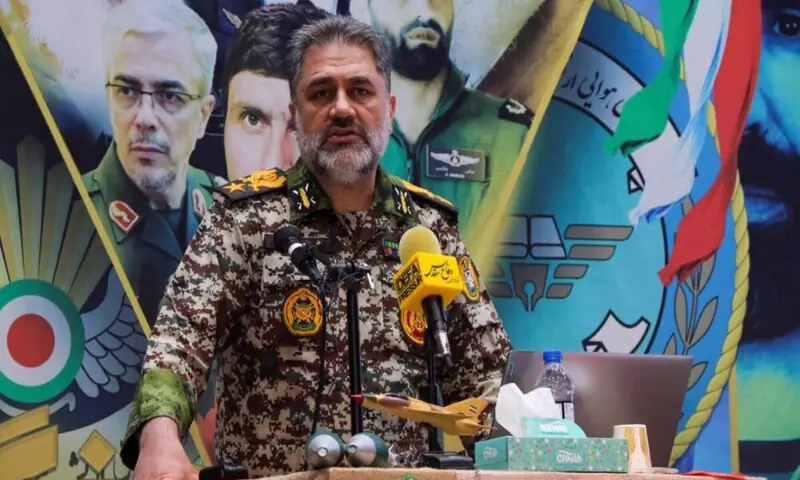
Brigadier General Alireza Elhami. Photo courtest Press TV

A senior Iranian commander on Saturday claimed that Iran’s air defence forces successfully intercepted and destroyed more than 160 US-Israeli drones, along with multiple hostile fighter jets, highlighting the growing capabilities of the country’s domestically developed military technology.

Brigadier General Alireza Elhami, commander of the Khatam Al Anbiya Joint Air Defence Headquarters, made the announcement on Saturday, emphasising that Iranian military units remained fully capable of tracking and neutralising advanced enemy aircraft.

“The latest successes are indebted to the strenuous efforts and self-sacrifices of personnel from both the army and the Islamic Revolutionary Guard Corps (IRGC),” Elhami said.

According to Elhami, the drones neutralised included MQ-9 Reaper, Hermes, LUCAS, and other types, all intercepted before they could carry out strikes.

In addition, Iranian air defence units reportedly targeted and damaged several generation-4 and generation-5 fighter jets.

He credited these achievements to a combination of homegrown tactics, modern domestically produced equipment, and Iran’s integrated air defence network.

“Our personnel remain determined to defend Iran’s airspace around the clock,” Elhami added, noting that their resilience has surprised adversaries.

For the latest news, follow us on Twitter @Aaj_Urdu. We are also on Facebook, Instagram and YouTube.

Govt mulls limiting business hours to conserve energy

Published 04 Apr, 2026 02:45pm 0 min read
APP file
APP file

The government authorities have expedited consultations with provinces to implement energy conservation measures nationwide amid the ongoing Iran war, officials said on Saturday.

According to sources in the Ministry of Energy, provincial governments are seeking input from chambers of commerce and trade bodies, while data is also being collected from power distribution companies (DISCOs).

As part of the proposed measures, authorities are considering limiting business hours for markets, shops, and commercial zones from 9am to 6pm.

The proposal may be implemented across the country for a period of one to two months.

Officials said a final decision on measures to reduce fuel consumption is expected next week.

The consultations come amid broader government efforts to protect the economy amid a rise in oil prices due to the Iran war and closure of the Strait of Hormuz.

Last month, Prime Minister Shehbaz Sharif announced a 14-point austerity plan in response to the evolving security situation in the Middle East.

The plan includes reducing government expenditures, limiting privileges for the elite, and promoting energy conservation and simplicity.

For the latest news, follow us on Twitter @Aaj_Urdu. We are also on Facebook, Instagram and YouTube.

Pakistan rejects certain reports about regional conflict as baseless

Published 04 Apr, 2026 01:43pm 0 min read
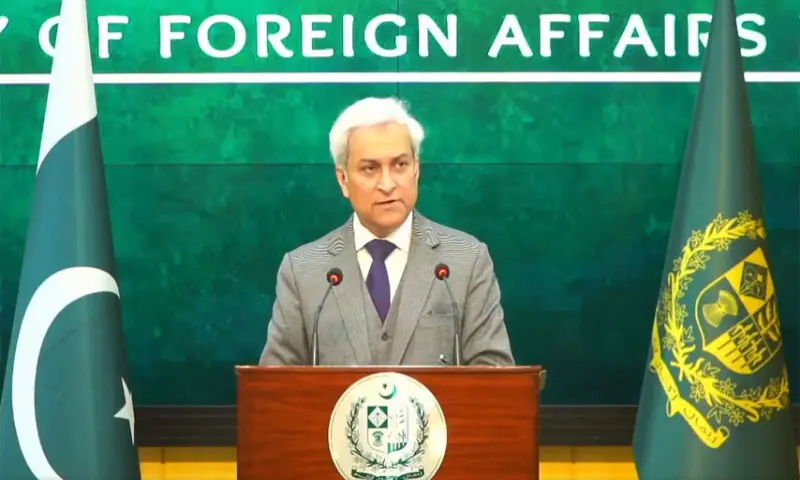
Foreign Office spokesperson Tahir Andrabi. – APP

The Ministry of Foreign Affairs on Saturday categorically rejected certain false insinuations attributed to purported official sources related to the ongoing conflict in the region and Pakistan’s efforts to promote peace and dialogue as ‘baseless and a figment of imagination’.

Responding to media queries regarding reports on developments in the ongoing conflict in the region, Foreign Office spokesperson Tahir Andrabi, in a press statement, said that they had noted several reports in the media, including on social media, citing so-called official government sources regarding the ongoing conflict in the region and Pakistan’s efforts to promote peace and dialogue.

“Any attribution to official sources in this regard is incorrect. It is a matter of concern that the briefing held on Friday at the Ministry of Foreign Affairs has been misrepresented, with references to issues that were neither discussed nor alluded to,” it was asserted.

At a time of heightened regional sensitivity, the spokesperson said, diplomacy required both discretion and responsibility, urging all media platforms to exercise due diligence, avoid speculation, and rely exclusively on officially issued statements and media readouts for accurate and timely information.

For the latest news, follow us on Twitter @Aaj_Urdu. We are also on Facebook, Instagram and YouTube.

US intelligence warns Iran unlikely to ease Hormuz Strait chokehold soon

Published 04 Apr, 2026 12:32pm 0 min read
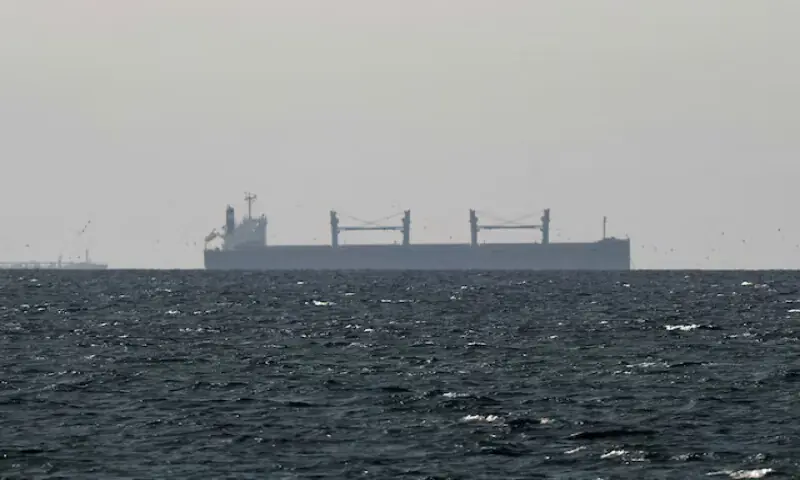
A cargo ship in the Gulf, near the Strait of Hormuz, as seen from northern Ras Al Khaimah in the United Arab Emirates. – Reuters

Recent US intelligence reports warn that Iran is unlikely to open the Strait of Hormuz any time soon ​because its grip on the world’s most vital oil artery provides the only real leverage it has over the United States, according to three sources familiar with the ‌matter.

The finding suggests that Tehran could continue to throttle the strait to keep energy prices high as a means of pressuring US President Donald Trump to find a quick off-ramp to the nearly five-week-long war that remains unpopular with US voters.

The reports also provide the latest indication that the war, intended to eradicate Iran’s military strength, may actually increase its regional sway by showing Tehran’s ability to threaten the key waterway.

Trump has sought to downplay the difficulty of reopening the ​Strait of Hormuz, which carries a fifth of the world’s oil trade.

On Friday, he appeared to suggest that he could order US forces to reopen the passage.

“With a little more time, ​we can easily OPEN THE HORMUZ STRAIT, TAKE THE OIL, & MAKE A FORTUNE,” he posted on his Truth Social platform.

But analysts have long warned that ⁠trying to use force against Iran, which controls one side of the strait, could prove costly and draw the US into a protracted ground war.

“In the attempt to try to prevent Iran from developing ​a weapon of mass destruction, the US handed Iran a weapon of mass disruption,” said Ali Vaez, director of the Iran Project at the International Crisis Group, a conflict-prevention organisation.

Tehran, Vaez said, understands its ability ​to drive world energy markets through its chokehold on the strait “is much more potent than even a nuclear weapon.”

Trump’s stance on potential US involvement in reopening the strait has shifted.

On one hand, he has made ending Iran’s chokehold a ceasefire precondition, but then he called on Gulf oil-dependent countries and NATO allies to take the lead in reopening it.

A White House official, who requested anonymity, said Trump is “confident that the strait will be open very soon” and has ​been clear that Iran would not be allowed to regulate waterway traffic after the war.

But the official noted that Trump also has said that other countries “have far more at stake in preventing this ​outcome” than the US.

The CIA did not immediately respond to a request for comment.

Iran is blocking sea traffic

Iran’s Islamic Revolutionary Guard Corps has used various tactics to make commercial transit through the waterway too dangerous or uninsurable since Trump ‌and radical Israeli leader Benjamin Netanyahu launched their war on February 28.

From attacking civilian vessels and releasing mines to demanding passage fees, Iran has effectively blocked traffic through the strait, sending world oil prices soaring to multi-year highs and causing fuel shortages in countries reliant on Gulf oil and gas.

Rising energy costs risk fueling inflation in the US, posing a political liability for Trump as he faces dismal poll numbers and his Republican Party girds for mid-term congressional elections in November.

Iran, the recent intelligence reports warn, is unlikely to surrender that leverage any time soon, according to the three sources.

They declined to elaborate on which agencies produced the assessments.

“It ​is certainly the case that now that Iran ​has tasted its power and leverage over the ⁠strait, it won’t soon give it up,” said one of the sources. All three requested anonymity to discuss the intelligence reports.

Risks to a military operation

Many experts say that a military operation to reopen the waterway involves considerable risks.

The waterway separates Iran and Oman. It is 21 miles wide at its narrowest point, but the shipping ​lane is only 2 miles wide in both directions, making ships and troops easy targets.

Even if US forces seize the southern Iranian coast ​and islands, the IRGC could ⁠attack them and maintain control of the waterway with drones and missiles launched from deep inside Iran, experts say.

“All it takes to disrupt traffic and deter vessels from passing through is one or two drones,” said Vaez.

Some experts said that even after the war, Iran is unlikely to give up its ability to regulate traffic through the strait because it will need to rebuild, and charging commercial shipping passage fees would be one ⁠means of raising ​reconstruction funds.

Tehran “is going to look to maintain the leverage that they have rediscovered by disrupting traffic“ through the Strait, former ​CIA Director Bill Burns said in a Foreign Affairs magazine podcast on Thursday.

Iran, he said, will look to use its ability to throttle the waterway to win “long-term deterrence and security guarantees” in any peace deal with the US and to gain “some direct ​material benefits” like charging passage fees to fund its post-war recovery.

“That,” he said, “sets up a really difficult negotiation right now.”

For the latest news, follow us on Twitter @Aaj_Urdu. We are also on Facebook, Instagram and YouTube.

Iran claims downing another US drone after striking warplanes

Published 04 Apr, 2026 12:13pm 0 min read
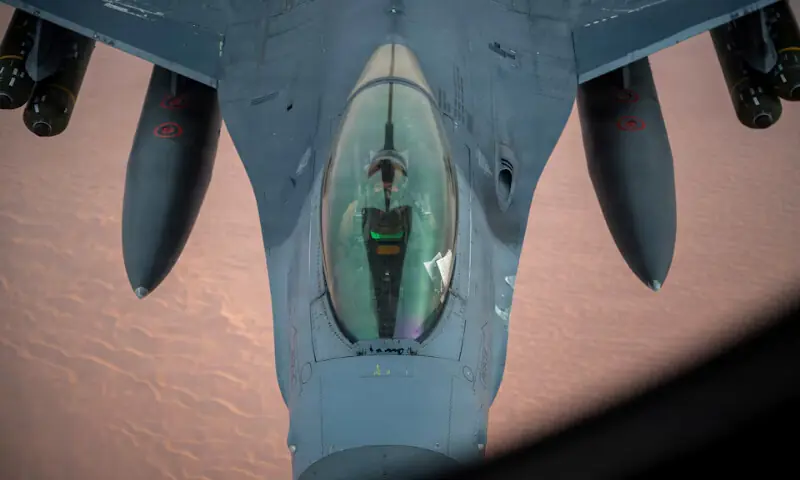
A US Air Force F-16 Fighting Falcon aircraft refuels from a KC-135 Stratotanker aircraft during a mission supporting Operation Epic Fury at an undisclosed location. – Reuters

After downing two US warplanes, the Iranian authorities on Saturday claimed to have taken down another American drone.

Iran’s Fars news agency reported that the Islamic Revolutionary Guard Corps’s “advanced modern” air defence systems have shot down an MQ-1 drone over the province of Isfahan.

Earlier, the Iranian forces announced they had struck down two US warplanes, one over southwestern Iran and another near the Strait of Hormuz.

Meanwhile, according to Tasnim News Agency, Iran’s air defences reportedly shot down a single-engine exhaust US-Israeli fighter jet late last night.

For the latest news, follow us on Twitter @Aaj_Urdu. We are also on Facebook, Instagram and YouTube.

Pakistan cancels 64 flights to Middle East amid regional tensions

Published 04 Apr, 2026 11:41am 0 min read
– File photo
– File photo

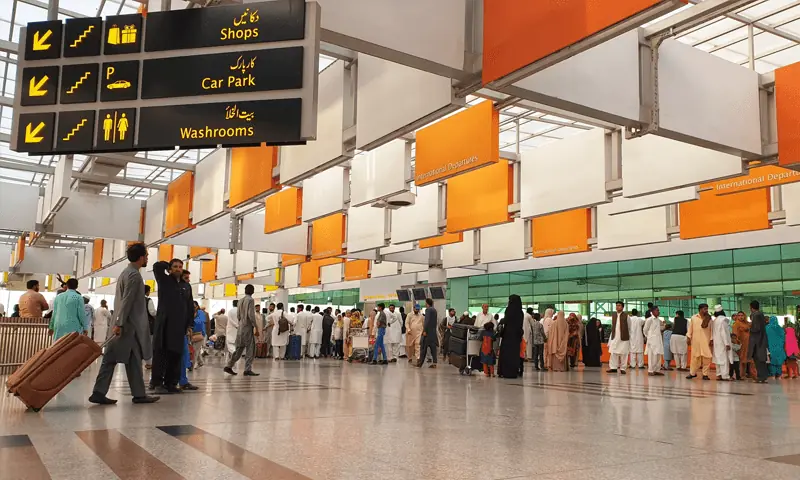
At least 64 flights to various cities in the Middle East were cancelled from the country’s five international airports on Saturday amid the ongoing tensions caused by the US-Israeli strikes on Iran.

Karachi and Islamabad airports were the most affected, with 22 bilateral flights cancelled due to the air strikes.

Lahore Airport saw six cancellations, Peshawar eight, and Multan two. Airlines affected include PIA, Airblue, Air Arabia, Iran Air, and Qatar Airways.

In total, 2,706 flights from Pakistan to the Middle East have been cancelled in the last 35 days.

For the latest news, follow us on Twitter @Aaj_Urdu. We are also on Facebook, Instagram and YouTube.

Iran’s drone strike on US embassy caused more damage than reported

Published 04 Apr, 2026 11:34am 0 min read
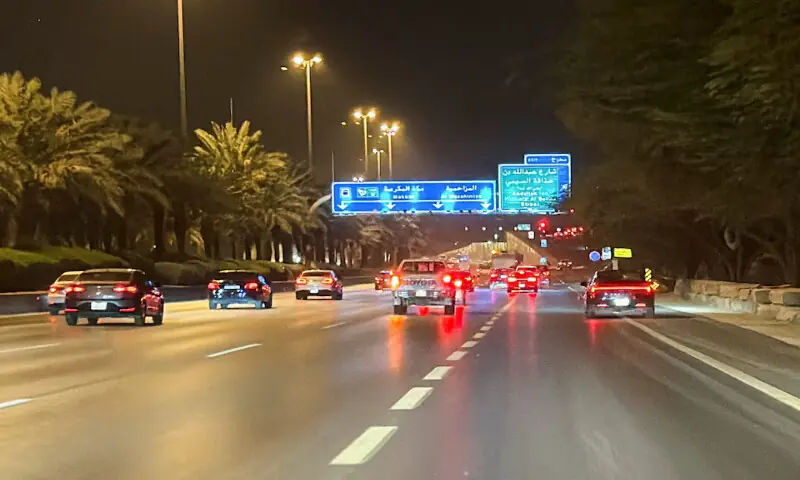
Vehicles drive along a street near the Diplomatic Quarter following drone strikes that hit the US embassy compound and were intercepted by Saudi air defences in Riyadh, Saudi Arabia. – Reuters file

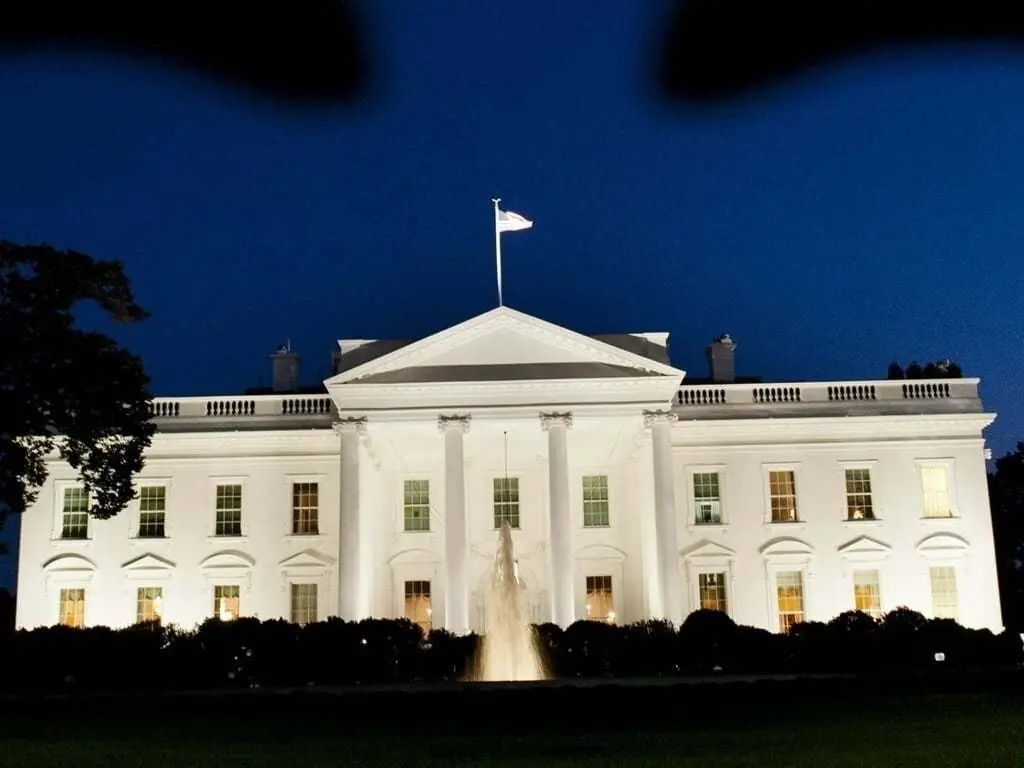
An Iranian drone attack on the US Embassy in Saudi Arabia on March 3 caused far more damage than initially reported, according to an exclusive report by the Wall Street Journal.

The strike involved two drones that bypassed Riyadh’s air defences and penetrated the embassy compound, sparking a fire that burned for twelve hours.

While early statements from the Saudi Defence Ministry suggested limited damage, current and former US officials said multiple floors were heavily affected, with some sections described as “unrecoverable.”
Among the areas hit was the CIA’s local station. Analysts noted that had the attack occurred during business hours, it could have resulted in a mass-casualty event.

The operation demonstrates Iran’s growing ability to evade advanced defence systems, including Patriot missile batteries guarding the diplomatic enclave.

According to reports, the drones were launched in close succession to maximise internal damage.

The strike is part of a pattern of attacks on US military and diplomatic assets in the region.

In late March, Iranian forces targeted US aircraft at Prince Sultan Air Base, damaging an E-3 AWACS radar plane and multiple refuelling tankers, injuring a dozen personnel. Tehran has also claimed hits on an F-15E fighter jet and an A-10 Thunderbolt.

Despite thousands of US and Israeli strikes, Iran retains the capability to target airports, energy infrastructure, and naval assets across the Gulf in retaliatory strikes.

For the latest news, follow us on Twitter @Aaj_Urdu. We are also on Facebook, Instagram and YouTube.

Downing of US jets punctures Trump’s air superiority claim

Published 04 Apr, 2026 10:47am 0 min read
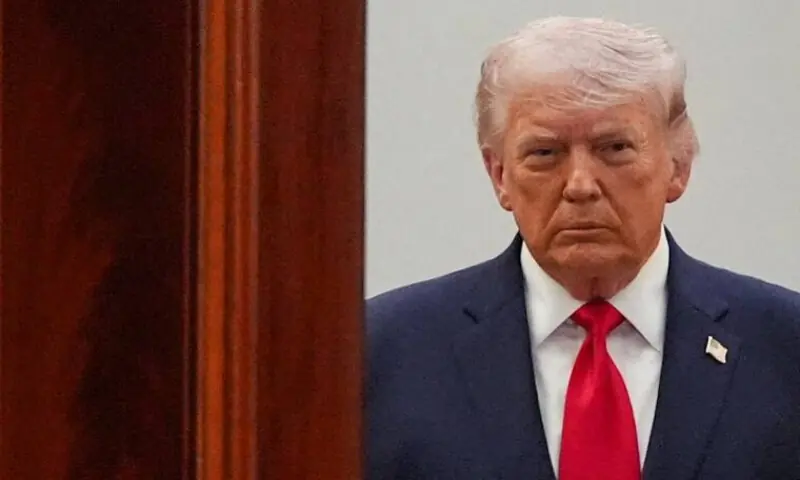
Donald Trump. – Reuters

Two US fighter jets were shot down by Iran on Friday, marking a new and awkward phase in a conflict already unpopular with the American public.

One of the crew members has reportedly been rescued and is receiving medical care, while the fate of the second remains unknown, CNN reported.

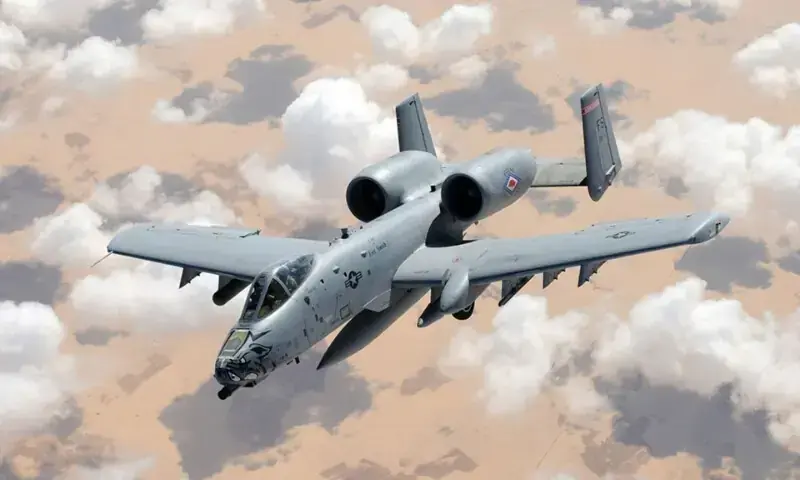
The incident was quickly followed by news that a second US combat aircraft, an A-10 Warthog, was also hit by Iranian fire.

The pilot managed to navigate out of Iranian territory before ejecting and was rescued, a US official said.

While these episodes hardly suggest a sudden shift in military balance — American casualties remain limited, with no known deaths in the past three weeks — they do highlight the risks of asymmetric warfare.

And they puncture the Trump regime’s claims of complete and uncontested dominance over Iranian airspace.

For weeks, President Donald Trump and Defence Secretary Pete Hegseth have described the skies over Iran as entirely under US and Israeli control.

“And Iran will be able to do nothing about it,” Hegseth asserted in a March 4 briefing.
Trump echoed the theme, claiming that planes were flying over Tehran and other regions without resistance, and that Iran had “no navy,” “no military,” and “no anti-aircraft systems.”

Yet, two downed jets in just one day serve as a reminder that reality is more complicated than rhetoric.

Even Hegseth previously acknowledged that setbacks —including lost drones or life — were possible, though such caveats were often overshadowed by absolutes like “complete control” and “uncontested airspace.”

This is not the first time the US regime has overstated military success.

Last June, Trump declared Iran’s nuclear programme “obliterated,” only for intelligence assessments to indicate otherwise.

Misattributions of attacks and exaggerated claims about missile launcher destruction have also raised questions about the administration’s messaging.

The political stakes are high. US military success was supposed to be the regime’s strongest card in the conflict, yet Americans remain sceptical.

Objectives have shifted repeatedly, public support is thin, and economic consequences — especially rising gas prices following the effective closure of the Strait of Hormuz — have added to domestic dissatisfaction.

Hegseth has argued that the media has missed the campaign’s successes, claiming control over Iran’s airspace and waterways without boots on the ground.

Yet, as the latest incidents demonstrate, control is far from complete, and setbacks continue to challenge the narrative of unstoppable US military superiority.

For the latest news, follow us on Twitter @Aaj_Urdu. We are also on Facebook, Instagram and YouTube.

Deputy PM Ishaq Dar holds media briefing on foreign policy

Published 04 Apr, 2026 10:00am 0 min read
APP
APP

Deputy Prime Minister and Foreign Minister Senator Ishaq Dar on Friday held an interactive briefing with anchorpersons and senior journalists on regional and global developments, as well as Pakistan’s foreign policy priorities, challenges, and achievements.

The briefing was held in Islamabad at the Ministry of Foreign Affairs, a statement issued by the Deputy PM Office said.

The engagement reflects regular communication between the Foreign Office and the national media, the statement added.

For the latest news, follow us on Twitter @Aaj_Urdu. We are also on Facebook, Instagram and YouTube.

Ceasefire talks stall as Iran calls US demands ‘unrealistic’

Published 04 Apr, 2026 09:50am 0 min read
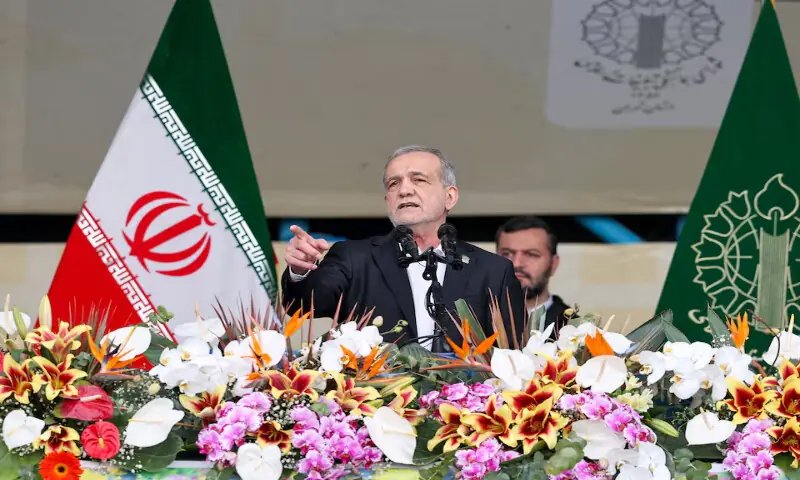
Iranian President Masoud Pezeshkian. – Reuters

Efforts by regional powers to broker a ceasefire between the United States and Iran have stalled, according to media reports.

Citing sources familiar with the ceasefire process, the reports said Tehran has informed mediators it is unwilling to meet US officials in Islamabad in the coming days and views Washington’s demands as unacceptable and unrealistic.

Amid reports of Iranian refusal, other regional players such as Turkey and Egypt are now exploring alternative venues for potential talks.

Options under consideration include Qatar and Istanbul.

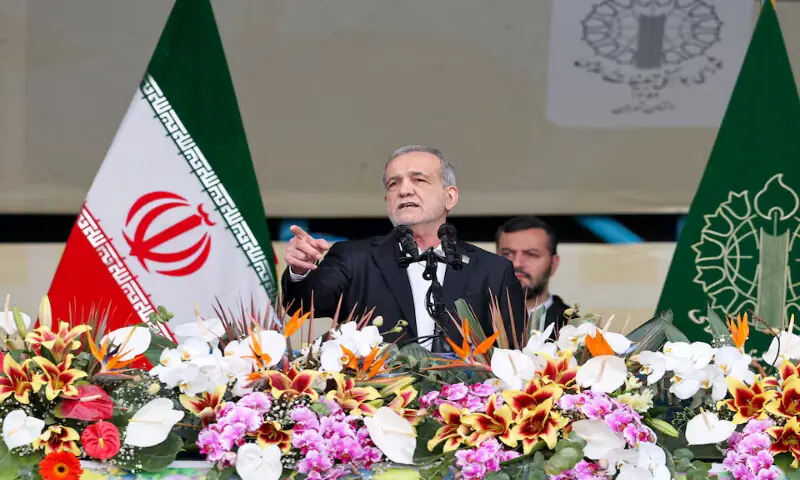
Against this backdrop, recent public appearances by President Masoud Pezeshkian and senior diplomat Abbas Araqchi have been seen as an attempt to project defiance, while also signalling continued domestic support amid the diplomatic impasse.

For the latest news, follow us on Twitter @Aaj_Urdu. We are also on Facebook, Instagram and YouTube.

Iran says downing of US jets shows military capability

Published 04 Apr, 2026 09:09am 0 min read
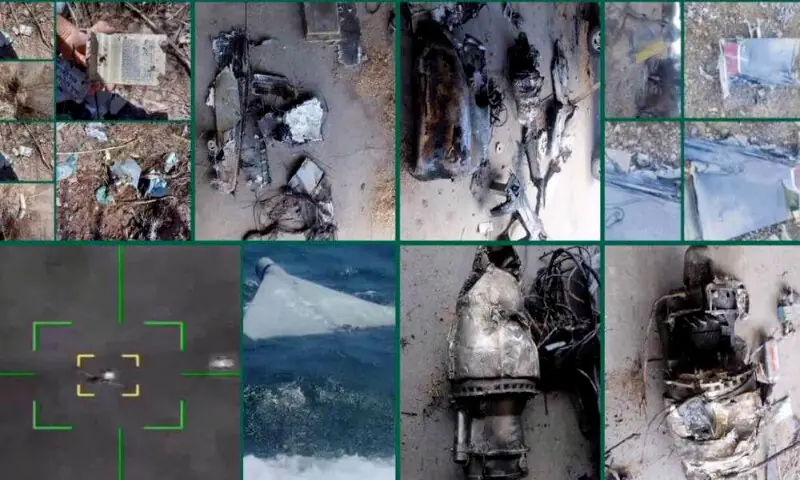
A combo provided by the Islamic Revolution Guards Corps (IRGC) shows the aftermath of various successful strikes carried out by its Aerospace Force against enemy projectiles and drones as well as a warplane belonging to aggressors. – Photo courtesy Press TV

Celebrations erupted across Tehran after Iran’s military said the downing of two US aircraft demonstrated its continued combat capability against the United States and its allies.

According to a report in Al Jazeera, the announcements have been delivered in a markedly triumphant tone, reflecting a broader atmosphere of public celebration.

Nightly gatherings that have taken place since the start of the conflict appeared to intensify following the reported downings, with officials and supporters portraying the events as a significant military achievement.

Iranian authorities said the incidents underscored long-standing claims that the country possesses military capabilities not yet fully deployed in the conflict.

They warned of further action, arguing that the United States had underestimated both the Iranian army and the Islamic Revolutionary Guard Corps.

While details remain limited, officials confirmed that, in addition to the two aircraft, several helicopters and drones had also been targeted, with some unmanned systems reportedly shot down.

The developments have been framed domestically as a sign of resilience and strength, boosting morale among supporters of the government and reinforcing official messaging that Iran is capable of sustaining the confrontation and ultimately prevailing.

For the latest news, follow us on Twitter @Aaj_Urdu. We are also on Facebook, Instagram and YouTube.

Iran hunts missing US pilot after downing warplanes

Updated 04 Apr, 2026 09:20am 0 min read
Traces of an Iranian missile attack in Tehran’s sky. – Reuters
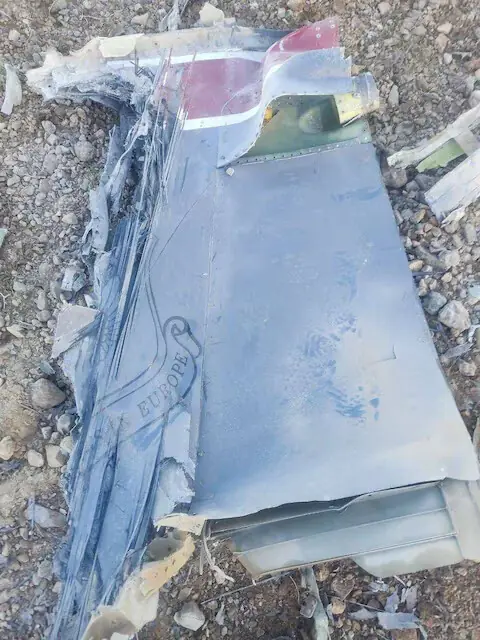
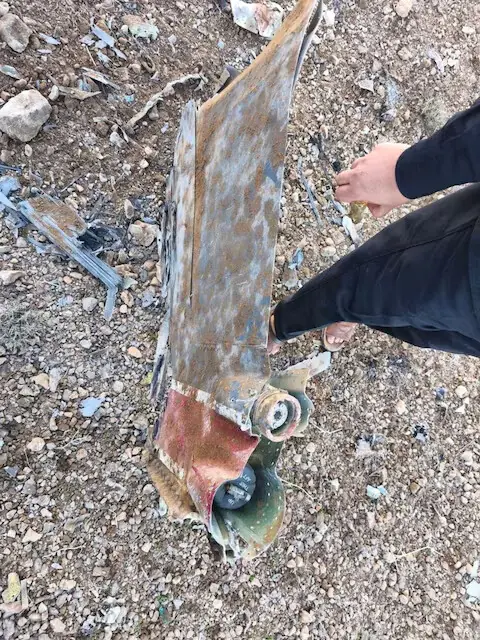
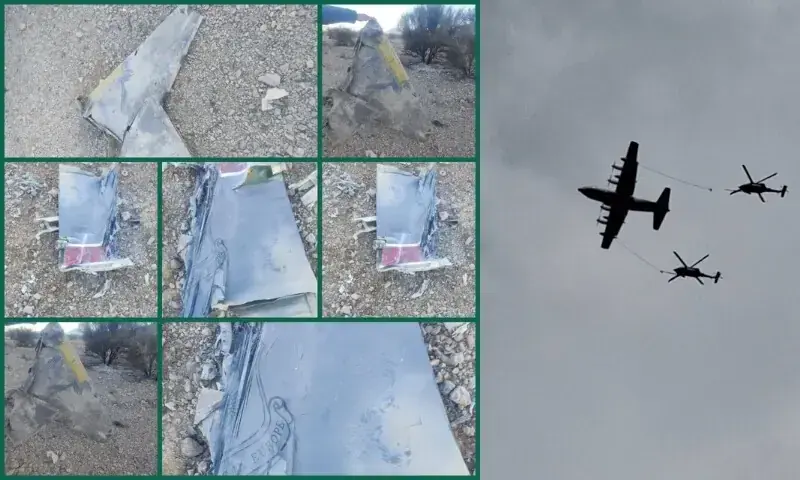
The Iranian state media said to show fragments of a downed US jet in this picture said to be taken in central Iran. – Reuters

Iran’s Revolutionary Guard Corps has said that it was combing an area near where a US fighter pilot’s plane came down in southwestern Iran.

The search was launched after two US ​warplanes were downed over Iran and the Gulf on Friday, with two pilots rescued and a third still missing and being hunted ‌by Tehran’s forces.

Iran’s regional governor promised a commendation for anyone who captured or ​killed “forces of the hostile enemy.”

Iranians, who have been pummelled by American air power for weeks, posted gleeful messages celebrating the plane downings.

Iran’s Parliament Speaker Mohammad Baqer Qalibaf said on X that the ​US and Israel’s war had been “downgraded from regime change“ to a hunt for their pilots.

Iranian media reported that a substantial cash reward is being offered for information leading to the capture of a missing US pilot.

According to widely circulated reports, the reward has been set at around £50,000 (approximately $66,100) — a figure significantly higher than Iran’s estimated average monthly salary, which ranges between £150 and £230.

Videos shared on social media appear to show armed civilians taking part in the search across southern provinces.

In footage said to be from Khuzestan Province, groups of men carrying firearms and waving the Iranian flag can be seen combing rural areas.

In one unverified clip, an individual is heard saying, “God willing, we will find him,” as the group continues its search.

The authenticity of the videos has not been independently confirmed.

The planes’ downing showed the risks faced by US and Israeli aircraft over Iran despite assertions from US President Donald Trump and his Defence Secretary Pete Hegseth that their forces had total control of the skies.

The first plane, a two-seat US F-15E jet, was shot down by Iranian fire, officials in both countries said.

The second plane, an A-10 Warthog fighter aircraft, was hit by Iranian fire and crashed over Kuwait, with the pilot ejecting, two US ​officials said.

Two Blackhawk helicopters involved in the search effort for the missing pilot were hit by Iranian fire but made it out of Iranian airspace, the two US officials told ​Reuters.

The degree of injuries among the crew of the aircraft remained unclear.

The status and whereabouts of the missing F-15E crew member was not ⁠publicly known.

Trump has been in the White House receiving updates on the search-and-rescue operation, a senior administration official told Reuters.

The Pentagon and US Central Command did not immediately respond to requests for comment.

For the latest news, follow us on Twitter @Aaj_Urdu. We are also on Facebook, Instagram and YouTube.

Second US warplane goes down near Strait of Hormuz

Published 04 Apr, 2026 12:53am 0 min read
A representational image.

A second US Air Force combat aircraft went down in the Persian Gulf region on Friday, with its pilot safely rescued, according to a report by The New York Times, citing unnamed American officials.

The report said the incident involved an A-10 Warthog attack aircraft, which crashed near the Strait of Hormuz around the same time a separate US F-15E fighter jet was shot down over Iran.

Two US officials, speaking on condition of anonymity due to the sensitivity of operational matters, confirmed the incident and said the A-10 had a single pilot on board. US forces successfully rescued the pilot, they added.

Officials, however, provided few details about the crash, including the exact cause, circumstances, or precise location where the aircraft went down.

The A-10 Warthog is a ground-attack aircraft designed to provide close air support to troops, particularly against armoured vehicles and enemy ground forces.

Meanwhile, Al Jazeera reported that Iranian officials have claimed responsibility for targeting the A-10 in maritime areas south of the Strait of Hormuz, though no independent confirmation of that claim has been provided.

The development comes amid heightened military escalation in the region.

US officials have already confirmed the loss of another advanced aircraft over Iran, an F-15E fighter jet carrying two crew members. One pilot has been rescued, while search-and-rescue operations remain underway for the second.

For the latest news, follow us on Twitter @Aaj_Urdu. We are also on Facebook, Instagram and YouTube.

Iran rejects talks with US, derails ceasefire mediation efforts: Report

Updated 04 Apr, 2026 08:05am 0 min read
A representational image. File photo

Iran has refused to engage in negotiations with the United States, according to a report by The Wall Street Journal, dealing a blow to ongoing mediation efforts aimed at securing a ceasefire in the region.

The report said Tehran has formally informed intermediary countries involved in backchannel diplomacy that US demands are “completely unacceptable,” effectively stalling attempts to de-escalate the conflict.

Citing mediators, the newspaper reported that Iranian officials on Friday confirmed their refusal to hold any form of meeting with US counterparts, deepening a diplomatic deadlock. Despite the impasse, sources indicated that mediators are still working on fresh proposals to revive negotiations.

The development comes days after US President Donald Trump claimed on social media that Iran had sought a ceasefire, an assertion strongly denied by Tehran. Trump had also suggested that Washington would be open to a truce if Iran reopened the strategically vital Strait of Hormuz.

According to the report, Iran maintains it will only end the war if its core conditions are met.

These include compensation for war damages, the withdrawal of US forces from military bases across the Middle East, and firm guarantees against future attacks.

The conflict, which began with strikes on Iran on February 28, has now entered its fifth week.

The United States and Israel have continued targeting Iranian positions, while Tehran has responded with strikes on Israeli targets and US installations across the region.

In a significant escalation, Iran claimed to have shot down a US fighter jet within its territory following Friday’s strikes.

Iranian officials said the aircraft was an F-35 and that efforts were underway to locate its pilot.

US officials confirmed the loss of an aircraft but disputed Iran’s claim, stating that the downed jet was an F-15E, which carries two pilots.

They said one crew member had been rescued, while a search operation for the second pilot was ongoing.

Meanwhile, Iranian security forces, along with civilians, have reportedly joined efforts to locate the missing pilot.

Authorities have also announced rewards and honors for anyone who finds or captures the individual.

For the latest news, follow us on Twitter @Aaj_Urdu. We are also on Facebook, Instagram and YouTube.

Italian PM begins visit to Saudi Arabia on Gulf tour

Published 03 Apr, 2026 11:20pm 0 min read
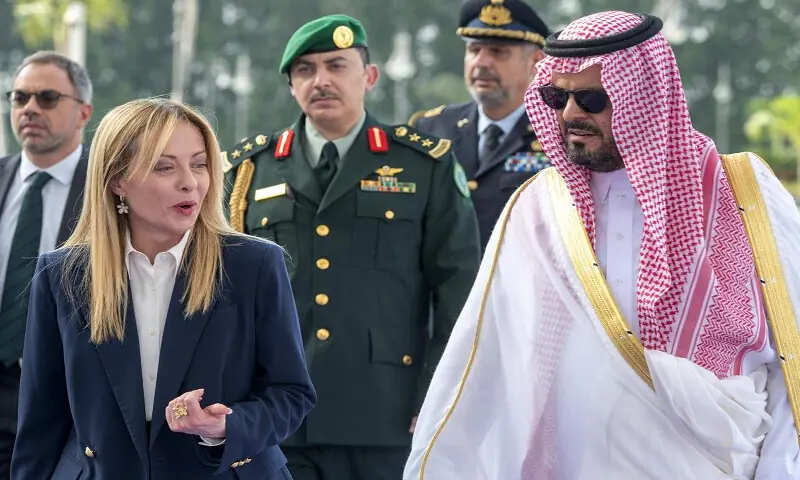
This handout picture provided by the Saudi Press Agency shows the Deputy Governor of Makkah Prince Saud bin Mishal bin Abdulaziz receiving Italy’s Prime Minister Giorgia Meloni at King Khalid International Airport in Jeddah on April 3, 2026, during her state visit. AFP

Italian Prime Minister Giorgia Meloni began a surprise visit to Saudi Arabia on Friday as part of a Gulf tour to boost “national energy security”, a government source said, as the Middle East war rages.

Meloni began her unannounced trip in the Red Sea port city of Jeddah, the source said, adding that she was the first leader of a European Union or NATO country to visit the region since the war began on February 28.

The source said Meloni would meet with officials from Saudi Arabia, as well as from Qatar and United Arab Emirates but it was not immediately clear if she would also visit those two countries.

All three countries have been targeted by Iranian drone and missile strikes in retaliation for US-Israeli bombardment of Iran.

Italy is higly dependent on energy imports and has been eyeing rising energy prices with growing concern.

The government has cut fuel excise taxes until May 1 in a bid to contain petrol price rises.

Meloni on March 25 visited Algeria, which already provides around 30 percent of Italy’s natural gas, in the hope of increasing gas imports.

Far-right leader Meloni is also one of the European leaders closest to US President Donald Trump, who has urged countries affected by Iran’s selective blockade of the Strait of Hormuz to intervene.

The vital shipping route accounted for around a quarter of the global seaborne oil trade and 20 percent of LNG supplies before the war.

For the latest news, follow us on Twitter @Aaj_Urdu. We are also on Facebook, Instagram and YouTube.

Iran leaders join crowds on Tehran’s streets to project control in wartime

Published 03 Apr, 2026 11:02pm 0 min read
Iranian President Masoud Pezeshkian speaks during the 47th anniversary of the Islamic Revolution in Tehran, Iran, on February 11, 2026. Reuters file

After more than a month of being stalked by targeted assassinations, Iran’s leadership has adopted a new tactic to show it is still in control — with senior officials ​walking openly in the streets among small crowds who have gathered in support of the Islamic Republic.

In recent days, Iran’s president and foreign minister have separately mixed ‌with groups of several hundred people in central Tehran. On Tuesday, state television aired footage of the two posing for selfies, talking to members of the public and shaking hands with supporters who had gathered in public areas.

According to insiders and analysts, the appearances are part of a calculated effort by Iran’s theocratic leadership to project resilience and authority — not only over the vital Strait of Hormuz but also over the population — despite a sustained US-Israeli campaign ​aimed at “obliterating” it.

One insider close to the hardline establishment said such public outings are intended to show that the Islamic Republic is “unshaken by strikes and that it remains in ​control and vigilant” as the war grinds on.

The US-Israeli war on Iran began on February 28 with the killing of veteran Supreme Leader Ayatollah Ali Khamenei ⁠and several senior military commanders in waves of strikes that have since continued to target top officials.

Iran’s new Supreme Leader, Mojtaba Khamenei, has not been seen in public since taking over on March 8 from ​his father. Foreign Minister Abbas Araqchi, meanwhile, was removed from Israel’s hit list amid mediation efforts last month, including by Pakistan, to bring Tehran and Washington together for talks to end the war.

Talks aimed ​at ending the war have since appeared to have petered out, as Tehran brands US peace proposals “unrealistic”. Against that backdrop, recent public appearances by President Masoud Pezeshkian and Araqchi appear designed to project defiance, if not a convincing display of public support.

A senior Iranian source said officials’ public presence demonstrates that “the establishment is not intimidated by Israel’s targeted killing of top Iranian figures”.

Asked whether Iran’s foreign minister or president was on any sort of kill list, ​an Israeli military spokesperson, Nadav Shoshani, said on Friday he would not “speak about specific personnel.”

Omid Memarian, a senior Iran analyst at DAWN, a Washington-based think tank, said the decision to send officials into gatherings reflects a layered strategy, including an effort to sustain the morale of core supporters ​at a moment of acute pressure.

“The system relies ​heavily on this base; if its supporters ⁠withdraw from public space, its ability to project control and authority weakens significantly,” Memarian said.

Speaking to state television, some in the crowds voice unwavering loyalty to Iran’s leadership; others oppose the bombing of their country regardless of politics; and some have a stake in the system, including government employees, ​students and others whose livelihoods are tied to it.

Hadi Ghaemi, head of the New York-based Centre for Human Rights in Iran, said the establishment ​is using such loyal ⁠crowds as human shields to raise the cost of any assassination attempts.

“By being in the middle of large crowds, they have protections that would make Israeli-American attacks against them very bloody and generate sympathy worldwide,” he said.

POTENTIAL PROTESTERS STAY OFF STREETS AT NIGHT

The Islamic Republic emerged from a 1979 revolution backed by millions of Iranians. But decades of rule marked by corruption, repression and mismanagement have thinned that support, alienating ⁠many ordinary people.

While ​there has been little sign so far of anti-government protests that erupted in January and abated after a deadly ​crackdown, the establishment has adopted harsh measures - such as arrests, executions and large-scale deployment of security forces — to prevent any sparks of dissent.

Rights groups have warned about “rushed executions” during wartime after Iran hanged at least seven political prisoners during the war.

“Many ​potential protesters are frightened by the continuing presence of armed men and violent crowds in the streets and largely stay at home once darkness falls,” Ghaemi said.

For the latest news, follow us on Twitter @Aaj_Urdu. We are also on Facebook, Instagram and YouTube.

Free public transport in Punjab, Islamabad; Sindh rolls out Rs2,000 fuel subsidy

Published 03 Apr, 2026 10:26pm 0 min read
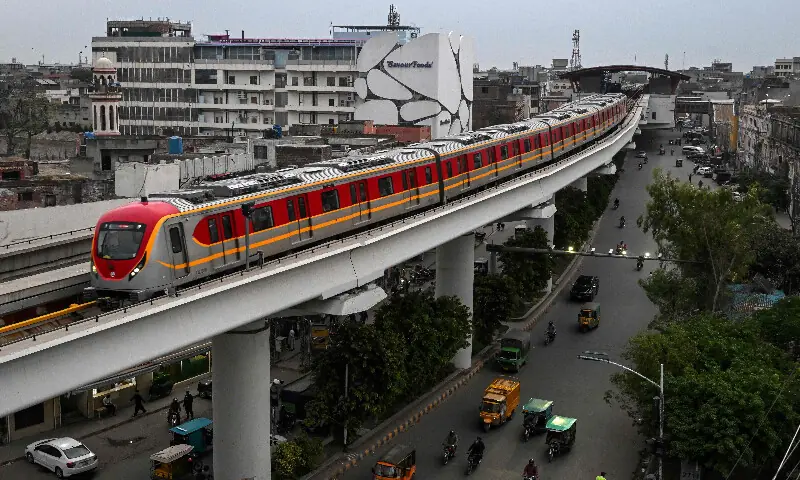
A metro train glides along an elevated track in Lahore on April 3, 2026.

Authorities in Punjab and Islamabad have announced free public transport for a month, while Sindh has introduced a cash subsidy for motorcyclists, as governments move to ease the impact of a sharp rise in fuel prices.

Punjab Chief Minister Maryam Nawaz said public transport in all cities of the province will be free under Prime Minister Shehbaz Sharif’s national savings and austerity programme.

The federal government has extended the same relief to Islamabad, where free transport will also be available for 30 days starting Saturday.

The decision follows a steep increase in fuel prices, with petrol rising by 42.7 per cent and diesel by 54.9 per cent, triggering protests and long queues at fuel stations.

Interior Minister Mohsin Naqvi said the government would bear an estimated cost of Rs350 million for providing free transport in the federal capital.

“All public transport in Islamabad will be made free of cost for the general public for the next 30 days, starting tomorrow (Saturday),” interior minister Mohsin Naqvi wrote on X.

In Punjab, the relief package covers Orange Line trains, Metro Bus, Speedo buses and electric green buses, benefiting millions of daily commuters. The provincial government has also introduced targeted subsidies for transport operators, urging them not to pass on additional costs to passengers.

In a statement posted on X, Maryam Nawaz said pressure on fuel prices was inevitable due to rising international oil prices and ongoing global crises and conflict.

To offset the impact, she announced monthly targeted subsidies, including Rs70,000 for registered goods transport vehicles, Rs80,000 for large vehicles and Rs100,000 for public service buses.

She called on transporters across Pakistan, particularly in Punjab, to support the public and avoid passing on increased costs to consumers.

She added that the provincial government would closely monitor the situation to ensure relief measures reach the intended beneficiaries, urging responsibility and solidarity.

The Punjab government has also announced a Rs100 per litre diesel subsidy per acre for farmers to reduce agricultural costs. In addition, motorcycle owners will receive a subsidy of Rs100 per litre on up to 20 litres of petrol per month.

Rs2,000 monthly cash subsidy in Sindh

Meanwhile, Sindh Chief Minister Murad Ali Shah announced a monthly cash subsidy of Rs2,000 for registered motorcycle owners across the province.

Speaking in Karachi, he said the subsidy would be disbursed digitally after verification within 15 days through an excise department application. He added that Sindh has around 6.7 million registered motorcycles, and ownership transfers have been made free to expand eligibility.

Murad clarified that the subsidy would be paid directly in cash between April 15 and 20, rather than through discounted fuel at petrol pumps.

Officials linked the relief measures to rising global oil prices and regional instability following the ongoing conflict involving Iran, which has disrupted energy supplies and increased import costs for Pakistan.

The federal government has also introduced austerity measures to curb fuel consumption, including a four-day work week for some offices, extended school holidays and partial transition to online classes.

Authorities say the steps are aimed at easing pressure on consumers while managing the country’s energy and fiscal challenges.

For the latest news, follow us on Twitter @Aaj_Urdu. We are also on Facebook, Instagram and YouTube.

Putin, Erdogan urge immediate Mideast ceasefire: Kremlin

Published 03 Apr, 2026 09:17pm 0 min read
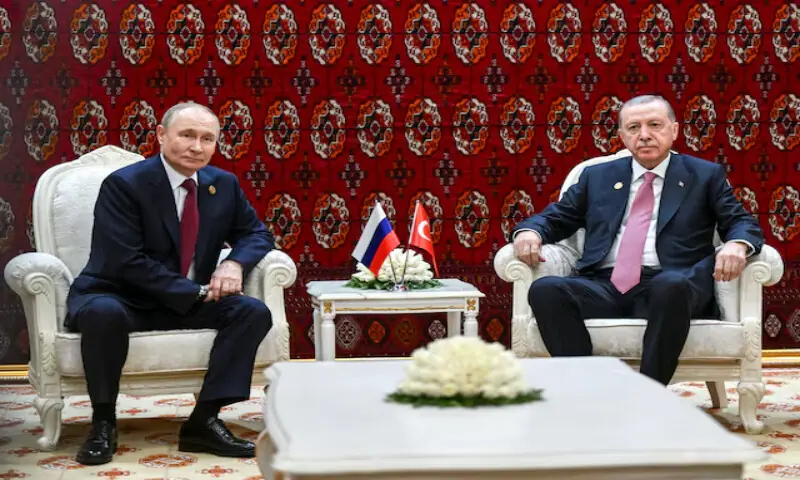
Russian President Vladimir Putin and Turkish President Tayyip Erdogan attend a meeting in Ashgabat, Turkmenistan, on December 12, 2025. Reuters file

Russian President Vladimir Putin and Turkish counterpart Recep Tayyip Erdogan called for an immediate ceasefire in the Middle East war during a phone call on Friday, the Kremlin said.

The war started over a month ago with US-Israeli strikes on Iran, triggering a conflict throughout the Middle East that has convulsed the global economy and impacted millions of people worldwide.

“The leaders noted their shared positions on the need for an immediate ceasefire and the development of compromise peace agreements that take into account the legitimate interests of all states in the region,” a Kremlin statement said.

“It was noted that intense military action is leading to serious negative consequences not only regionally but also globally, including in the areas of energy, trade, and logistics,” it added.

Putin and Erdogan also discussed “the importance of coordinated measures to comprehensively ensure security in the Black Sea area,” Kremlin said, accusing Ukraine of “attempts to target gas transportation infrastructure linking Russia and Turkey”.

On Thursday, Russian forces repelled a drone attack on part of the TurkStream gas pipeline that connects southern Russia and Turkey, the pipeline’s operator Gazprom said.

Several European countries, including Hungary, Slovakia and Serbia, receive gas supplies via the pipeline.

Russia has accused Ukraine of attacking it multiple times, most recently in March.

Ukraine has struck Russian energy infrastructure throughout the nearly four-year war, in a bid to sap Moscow’s ability to finance its offensive.

Russian strikes on Ukrainian energy facilities have cut power and heating to millions of people since the beginning of its full-scale assault in 2022.

For the latest news, follow us on Twitter @Aaj_Urdu. We are also on Facebook, Instagram and YouTube.

Japanese-owned LNG tanker crosses Strait of Hormuz

Published 03 Apr, 2026 07:56pm 0 min read
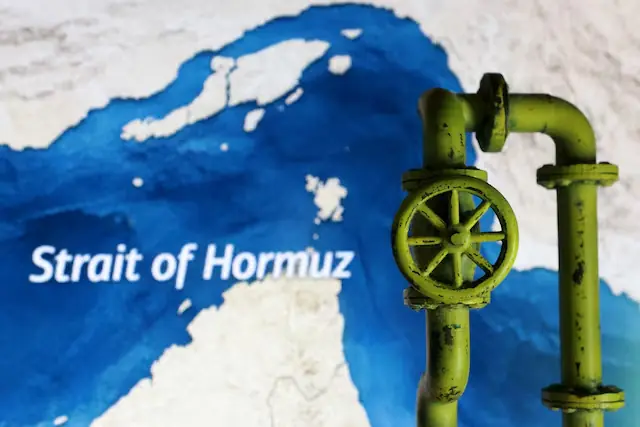
Strait of Hormuz. – Reuters

A Japanese-owned liquefied natural gas tanker has crossed the Strait of Hormuz, its ​co-owner Mitsui O.S.K. Lines said on Friday, making it ‌the first Japan-linked vessel to have crossed the channel since the onset of the Iran war.

Crew members on the Panama-flagged ship, “SOHAR LNG”, remain safe, a Mitsui O.S.K. ​Lines spokesperson told Reuters, while declining to disclose when it ​crossed the Strait and whether any negotiations had been required.

The ⁠Asahi newspaper earlier reported the crossing.

Until US-Israeli attacks on Iran ​began at the end of February, leading to the effective closure of ​the Strait, it was the route for about a fifth of global oil and liquefied natural gas supplies.

Japan was particularly dependent as around 90% of its ​oil and 6% of its LNG imports crossed the Strait.

As of early on Friday, 45 ships owned or operated by ‌Japanese ⁠entities had been stranded because they could not cross the Strait, according to Japan’s transport ministry.

Among those were 12 crude oil tankers, 12 tankers loaded with refined or chemical products, nine car carriers and ​six LNG tankers, ​broadcaster TBS has ⁠reported.

Mitsui O.S.K. Lines last month said one vessel it owns and operates sustained a minor impact in the ​region. The cause was unknown and no one ​was hurt.

On ⁠Thursday, a container ship belonging to French shipping group CMA CGM has also crossed through the Strait, vessel tracking data showed.

Chinese ships, Indian-flagged gas tankers ⁠and ​a Greek-operated crude tanker have passed through the ​Strait since the start of the Iran war.

For the latest news, follow us on Twitter @Aaj_Urdu. We are also on Facebook, Instagram and YouTube.

Iran claims strikes on 50 Israeli targets

Published 03 Apr, 2026 07:39pm 0 min read

Iran has claimed it carried out coordinated missile and drone strikes on more than 50 locations inside Israel, as part of the latest phase of its ongoing military campaign dubbed “Operation True Promise 4”.

According to a statement by the Islamic Revolutionary Guard Corps (IRGC), the 92nd wave of the operation involved joint action by its naval and aerospace forces, targeting multiple sites with ballistic missiles and suicide drones.

Iranian officials said the strikes were in response to US and Israeli actions in the region, warning that further escalation could see attacks on critical energy infrastructure, power plants and IT facilities across Israel and the wider Middle East.

The statement also claimed that US military assets were targeted, including Landing Craft Utility (LCU) vessels at Kuwait’s Shuwaikh port and a long-range 3D early warning radar system at Jabal al-Dukhan in Bahrain.

Iran further alleged that ballistic missiles struck Israel’s Ramat David airbase in southeastern Haifa, which hosts F-16 squadrons.

It said Khorramshahr-4 multi-warhead missiles were used to hit Tel Aviv and other areas.

Iranian officials also identified major regional energy and technology sites, including large AI data centre projects in the United Arab Emirates, as potential future targets.

Separately, reports said a drone attack struck Kuwait’s Mina Al-Ahmadi refinery for the third time in two weeks, causing fires in multiple units. Kuwait has also accused Iran of targeting desalination and power facilities.

The United Arab Emirates has alleged missile and drone attacks on the Fujairah oil port, which disrupted operations, while debris from a drone reportedly caused a fire at the Habshan gas facility.

Earlier, Iranian media also claimed that a second US F-35 fighter jet had been shot down over central Iran.

However, US Central Command has not responded to the claim, and there is no independent confirmation.

The situation remains fluid, with escalating claims and counterclaims raising concerns of a wider regional conflict.

For the latest news, follow us on Twitter @Aaj_Urdu. We are also on Facebook, Instagram and YouTube.

US confirms jet crash as Iran insists it downed F-35

Updated 03 Apr, 2026 10:02pm 0 min read

US officials have confirmed the crash of a military aircraft near Iran’s border, as Tehran claimed it shot down an F-35 stealth fighter, with conflicting accounts emerging over the aircraft type and crew status.

According to US officials cited by international media, the downed aircraft was an F-15E, carrying two crew members. One has been rescued, while a search operation is ongoing for the second.

Iran, however, maintains that its air defence systems downed an F-35 in a border province. The claim has not been independently verified.

CBS News reported that the White House has briefed President Donald Trump on the incident. The New York Times and Reuters also cited US officials confirming the crash but withholding further operational details.

The US Department of Defence and Central Command have yet to issue an official statement.

Iran’s Islamic Revolutionary Guard Corps (IRGC) said on Friday that a domestically developed air defence system brought down the advanced fighter jet in a border province.

US forces reportedly initiated a search and recovery operation, deploying Black Hawk helicopters and C-130 aircraft to locate and extract the pilot, believed to have ejected. The operation, however, was unsuccessful.

Iranian and international media have carried conflicting accounts. Some reports suggest the pilot safely ejected and landed inside Iranian territory, while others claim he may have been captured by Iranian forces. These claims remain unverified.

Tasnim News Agency reported that intelligence points to the pilot’s possible presence in a southwestern border region.

Separate reports, citing sources, suggested he may be in Iranian custody, though no confirmation has been provided.

Local residents were also reported to have approached the crash site in private vehicles.

Iranian authorities urged civilians not to harm the pilot if found, while some outlets reported a reward had been announced for locating him.

According to Iran’s semi-official ISNA agency, the governor of Kohgiluyeh and Boyer-Ahmad province said individuals capturing the crew would be given special rewards and recognition.

The incident marks a rare and significant development since the escalation that began with strikes on Iran on February 28.

If formally confirmed by the US military, this would be the second F-35 loss claimed by Iran during the current conflict.

Iranian officials say multiple US aircraft have been downed since the start of hostilities, including F-15s, F-16s and an F-18, though US authorities have acknowledged far fewer losses.

Earlier reports indicated that one F-35 made an emergency landing at a US base in the Gulf, with damage reportedly severe enough to affect its operational status.

For the latest news, follow us on Twitter @Aaj_Urdu. We are also on Facebook, Instagram and YouTube.

White House seeks record $1.5tr defence budget amid Iran war

Published 03 Apr, 2026 06:48pm 0 min read
A representational image. File photo

The White House sent a spending proposal to lawmakers on Friday, calling for a massive $1.5 trillion US defence budget next year as it faces increased costs due to the war in Iran.

The total year-on-year increase in Pentagon spending would be the largest since World War II, US media reported, although presidential budgets are wish lists that have to be approved by Congress, rather than binding orders.

The request would represent a 42 per cent hike in the Pentagon topline for 2026.

It is part of a proposal that asks Congress to slash non-defence spending by some $73 billion, or 10 per cent, by “reducing or eliminating woke, weaponised and wasteful programs, and by returning state and local responsibilities to their respective governments.”

The Pentagon isn’t expected to release a detailed breakdown of the budget request until later this month, but the plan could form a fiscal framework that adds trillions to the already growing federal debt over the next decade, assuming Congress adopts the president’s proposals.

Trump called on lawmakers to approve the bulk of the increase through the standard annual government funding process, while passing the remaining $350 billion via the same party-line legislative manoeuvre that allowed Republicans to secure tax cuts without Democratic support last year.

In the lead-up to releasing the proposal, the president and his advisors have emphasised the urgency of boosting defence spending, pointing to the need to replenish weapons stockpiles and other military resources during the ongoing conflict with Iran.

At a private lunch, Trump stressed that defence funding should take precedence over other federal expenditures, even if it meant scaling back social safety-net programs and other assistance.

“It’s not possible for us to take care of day care, Medicaid, Medicare, all of these individual things, they can do it on a state basis,” he said, adding that the priority had to be “military protection.”

The White House posted a video of Trump’s remarks on its YouTube page and then deleted it.

Democrats and Republicans have recently voiced concern about increasing military spending to the levels Trump has proposed, noting that the administration has not provided sufficient updates on the five-week-long war with Iran.

For the latest news, follow us on Twitter @Aaj_Urdu. We are also on Facebook, Instagram and YouTube.

World food price rise set to continue if Iran war lasts, FAO says

Published 03 Apr, 2026 06:20pm 0 min read
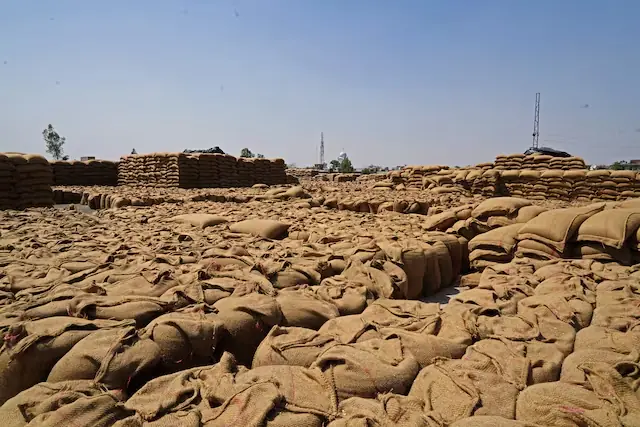
Sacks of harvested wheat at a grain market in Gaggarpur village, in the northern state of Haryana, India. – Reuters

World food prices climbed in March to their highest ‌level since September last year and could rise further if the Middle East conflict that pushed up energy prices continues, the United Nations Food and Agriculture Organization said on Friday.

“Price rises since the conflict began have been modest, driven mainly by higher ​oil prices and cushioned by ample global cereal supplies,” FAO Chief Economist Maximo Torero said ​in a statement.

But if the conflict lasts over 40 days and input costs remain ⁠high, farmers may reduce inputs, plant less, or switch crops to less intensive fertiliser crops, he said.

“Those ​choices will hit future yields and shape our food supply and commodity prices for the rest of this ​year and all of the next,” he added.

The FAO Food Price Index, which measures changes in a basket of globally traded food commodities, rose by 2.4% from its revised February level. It is 1% above its value a year ago, although ​nearly 20% below its March 2022 peak, reached after the start of the war in Ukraine.

Fertiliser costs could lead to reduced planting

The cereal price index increased by 1.5% from the previous month, led by a 4.3% increase in international ‌wheat ⁠prices due to worsening crop prospects in the US and expectations of lower plantings in Australia due to higher fertiliser costs.

Global maize prices edged up as ample global supply offset concerns over fertiliser costs, and indirect support from greater ethanol demand prospects linked to higher energy prices.

Rice prices dropped 3.0% due to harvest timing ​and weaker import demand.

Vegetable oil ​prices increased 5.1%, marking ⁠the third consecutive monthly rise. Higher quotations for palm, soy, sunflower, and rapeseed oil reflected the impact of rising global energy prices and expectations of stronger ​biofuel demand.

Palm oil prices reached their highest level since mid-2022.

Sugar prices jumped 7.2% ​in March to ⁠their highest since October 2025, as higher crude oil prices drove expectations that Brazil, the world’s largest sugar exporter, would channel more sugarcane into producing ethanol.

Meat prices rose 1.0%, led by higher pig meat prices in the ⁠European Union ​and bovine meat prices in Brazil, while poultry prices edged ​lower.

In a separate report, the FAO slightly raised its estimate for the 2025 global cereal production forecast to a record 3.036 billion metric ​tons. It would be 5.8% higher year-on-year.

For the latest news, follow us on Twitter @Aaj_Urdu. We are also on Facebook, Instagram and YouTube.

Trump: US can open Hormuz with ‘a little more time’

Published 03 Apr, 2026 06:03pm 0 min read
US President Donald Trump. File photo

President Donald Trump on Friday said the United States could “open” the Hormuz Strait and “take the oil” if it has more time.

“With a little more time, we can easily OPEN THE HORMUZ STRAIT, TAKE THE OIL, & MAKE A FORTUNE. IT WOULD BE A ‘GUSHER’ FOR THE WORLD???” Trump posted.

The message, on his Truth Social platform, did not explain how the United States could end Iranian control over the Hormuz waterway or what oil Trump was referring to.

Nearly five weeks after it started ⁠with a joint US-Israeli aerial assault, the war in Iran continues to spread chaos across the region and roil financial markets, raising the pressure on Trump to find a quick resolution to the conflict.

Iran has effectively shut down the Strait of Hormuz, a key waterway that carries about a fifth of the world’s total oil consumption, in retaliation for US-Israeli ​strikes that began in late February. Reopening it has become a priority for governments around the world as energy prices soar.

In the speech on Wednesday ​night, Trump repeated his threats against Iran’s civilian power plants and gave no clear timeline for ending hostilities, drawing vows of retaliation from Iran and depressing share prices.

For the latest news, follow us on Twitter @Aaj_Urdu. We are also on Facebook, Instagram and YouTube.