
Ten greatest cities in history



 -File Photo
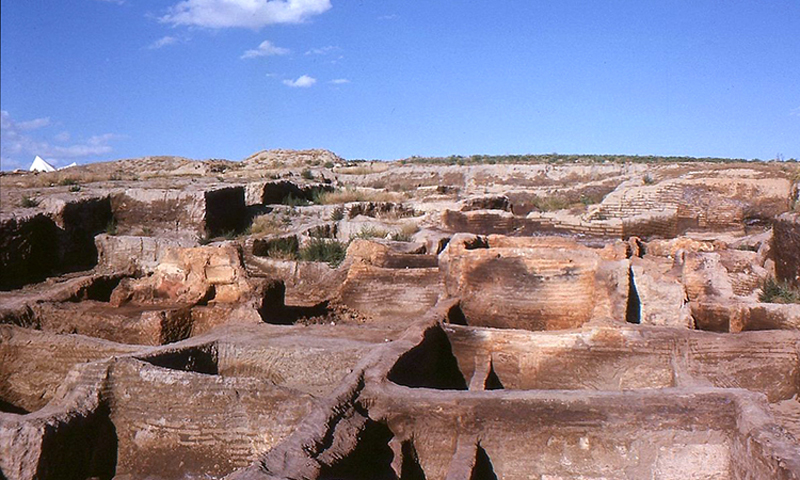
Located in Turkey, Çatalhöyük was considered by many to be the world's first city. By 6500 B.C. its population of 3,000 was so dense that people walked on the roofs of houses rather than streets.
 -File Photo
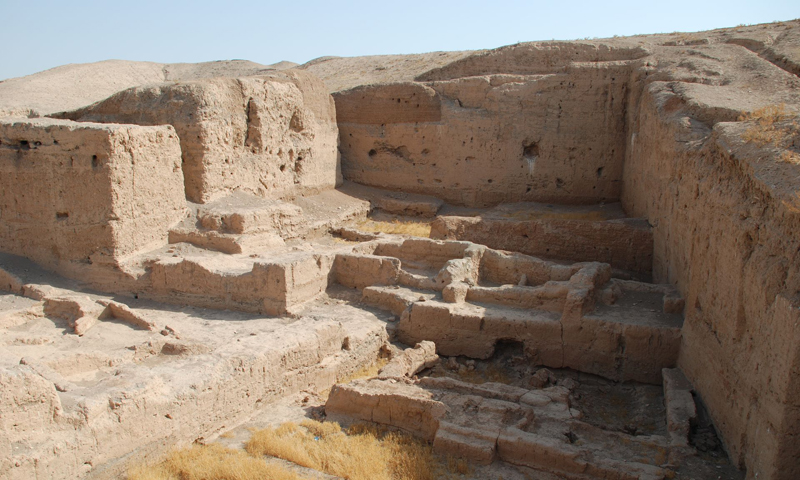
Tell Brak located in Syria was home to the "Eye Temple," named by archaeologists for the discovery of hundreds of idols featuring big eyes. By 5000 B.C. 4,000 people were living in this city.
 -File Photo
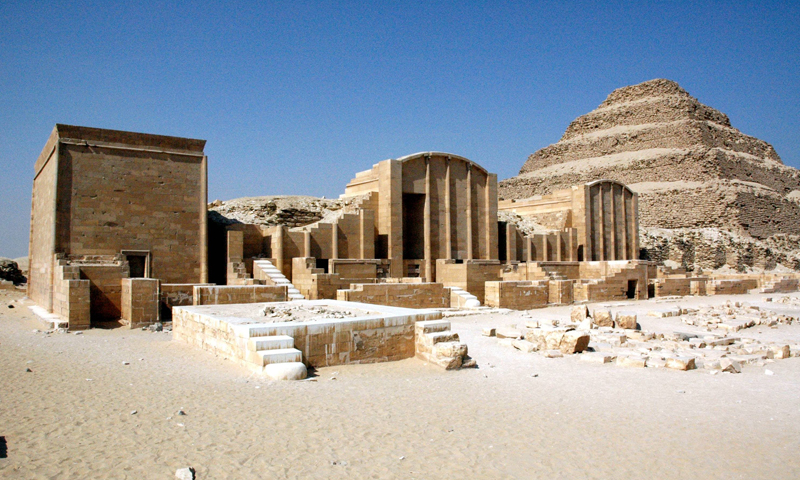
Located in Egypt, Memphis is known for the nearby pyramids, where pharaohs were buried, as well as the Great Sphinx. In 2250 B.C. its population was 35,000.
 -File Photo
Located in Iraq, Babylon was the capital of Hammurabi's short-lived Babylonian Empire. The city achieved glory again in the sixth century B.C. with the construction of the Hanging Gardens . In 1770 B.C. its population was nearly 60,000.
 -File Photo
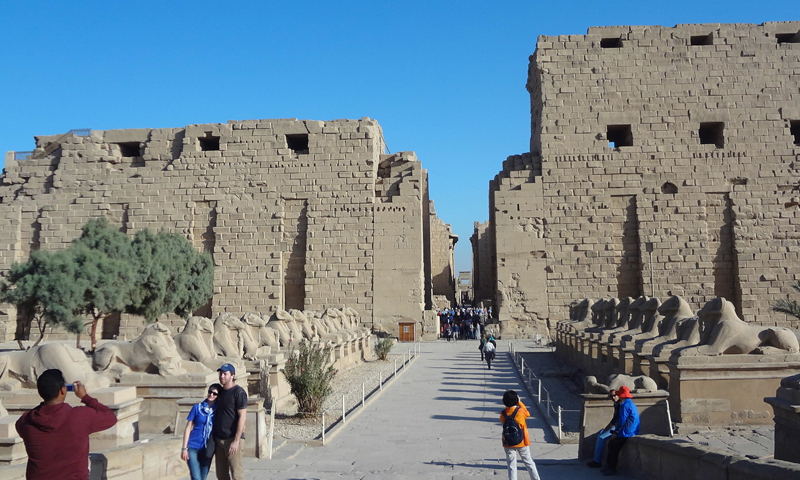
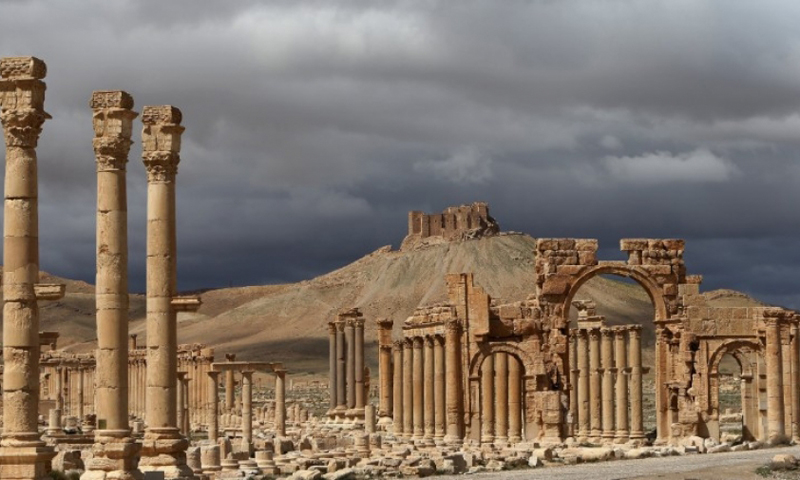
Egypt, Thebes permanently lost capital status in the 13th century B.C. and was destroyed by the Assyrians in 667 B.C. it had a population of 75,000 by 1500 B.C.
 -businessinsider
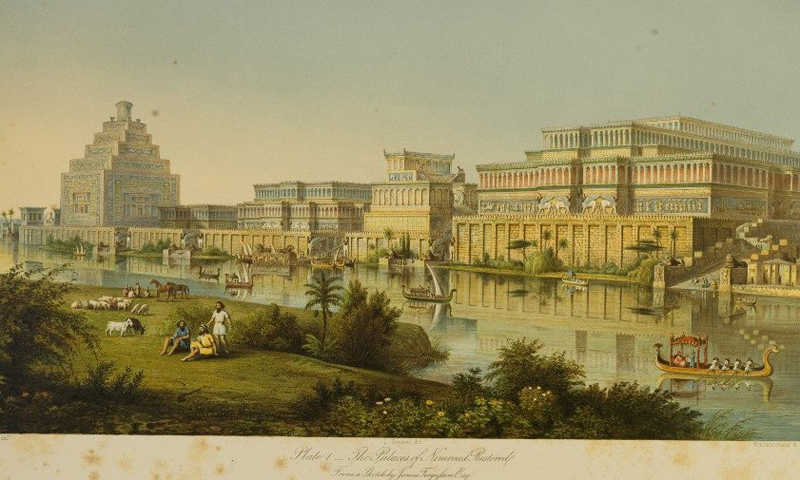
Located in Iraq at a strategic point on the Tigris River, Nimrud was the capital of the Neo-Assyrian Empire with the population of 75,000 in 800 B.C.
 -File Photo
Nineveh another ancient city of Iraq was settled as early as 6000 B.C. By 3000 B.C. it was a major religious center for the goddess Ishtar. Its population was over 100000 people in 700 B.C.
 -File Photo
Located in Italy, Rome was home of 40,000 people in 100 B.C.
 -File Photo
Turkey's, Constantinople became the new capital of the Roman empire in A.D. 324. By A.D. 500, it was the largest city that remained after the fall of Rome. In 500 A.D. it had 450,000 residents.
 -File Photo
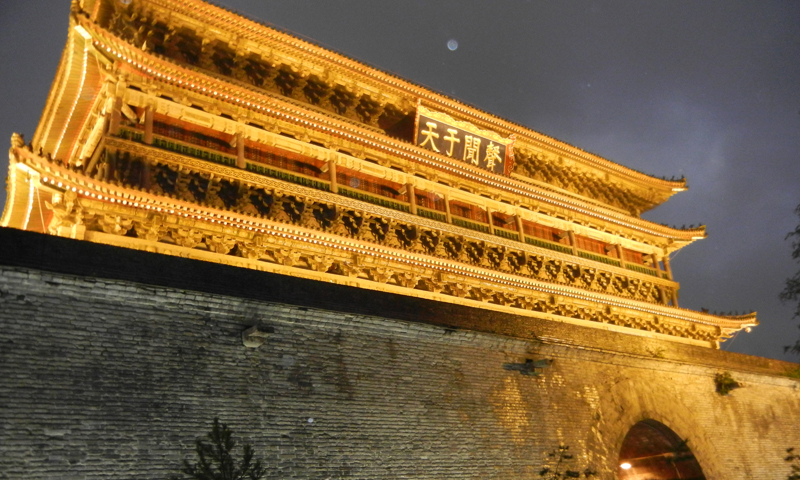
Located in north-central China, Chang'an was the capital of more than 10Â dynasties. It became the largest city in the world with a population of 600,000 under the Sui Dynasty.

Minimum wage stays Rs37,000 confirms Finance Minister - 10PM Headlines - Aaj News

Pakistani Artists Celebrate Eid Al-Adha with Joy and Greetings - Aaj News

Govt Prepares Strategy to Table 27th Constitutional Amendment

11 employees kidnapped near Do-Manda Bridge in DI Khan - Breaking - Aaj News

Pakistan slams US veto on Gaza ceasefire: Asim Iftikhar - Aaj News












Comments are closed on this story.